
Articles
Here is where you’ll find all the latest print features from our contributors. If you’d like to browse specifically by grade level, topic, or contributor, you can use the links in the right sidebar.
Latest Content
Rethinking the Study of Nonfiction in the 21st Century
Franki Sibberson reflects on her nonfiction writing unit, and realizes she emphasizes research skills at the expense of the craft of nonfiction writing. She explains how she revamps the unit to help students focus more on writer's craft in nonfiction texts, including some new mentor texts and different ways of using writer's notebooks.
Book Boxes – Voices from the Classroom
How do you organize and use book boxes? Every teacher has their own twist on the answer to this question. Choice Literacy contributors give examples from grades 1-5 of how they use book boxes and bags with their students.
Relevant Support for New Teachers
Jennifer Allen finds she only learns what new teachers really need when she builds a relationship and rapport with them.

“This Could Be Our Family”: Books for Children with Lesbian and Gay Parents
Andie Cunningham considers the diversity in how “families” are defined in children’s literature, as well as how some newer books can support children with lesbian or gay parents in our new booklist.
Using Picture Books to Teach Theme in Grades 3-6
Many students in the upper elementary and middle school grades shun all picture books, yet they are an invaluable resource for teaching sophisticated literacy concepts. Franki Sibberson explains how to teach the concept of theme using picture books in this booklist.
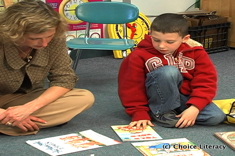
Is “Just Right” Still Just Right?: Helping Children Select Appropriate Books
Clare Landrigan and Tammy Mulligan consider how the incredibly useful and widely accepted “just right” term can sometimes limit how students think about book selection and their identities as readers. This essay includes sample lessons to help expand the ways young readers think about and discuss their reading preferences.
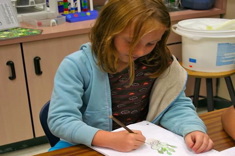
Infographics and Lists in Science Notebooks
Science notebooks are a wonderful tool for building outdoor observation and writing skills. Andrea Smith explains how writing in the notebooks leads students to explore different nonfiction text features like infographics and lists.
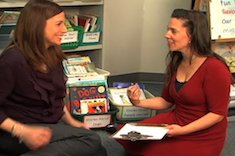
You Get What You Ask For: The Art of Debriefing
Heather Rader explores the fine art of asking specific questions during coaching debrief sessions.
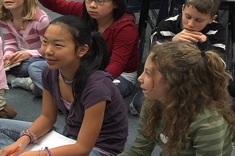
Helping Students Deal with Distractions
Clare Landrigan and Tammy Mulligan offer lesson suggestions for helping students self-monitor and deal with distractions during literacy workshops.
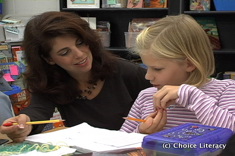
New Notebook Essentials
We’ve all had the experience of reading a professional book and disagreeing with some of the ideas from the author. It’s just a little more surreal when you wrote the book! Aimee Buckner participates in her school’s study group reading of Notebook Know-How

It’s Not the Assessment — It’s How You Use It
Clare Landrigan and Tammy Mulligan discuss ways teachers can get the most out of any assessment data collected early in the year, moving beyond numbers for insights into how to structure and target instruction.

A Thanksgiving Take on Differentiating Instruction
Kathy Collins looks around the holiday table and discovers that differentiating instruction is similar to hosting a Thanksgiving feast.
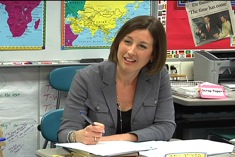
Making Data Analysis a Motivating and Worthwhile Process
Tammy Mulligan and Clare Landrigan have ideas for staying motivated while analyzing data. If you’re drowning in assessments, there are a few lifelines in this piece.
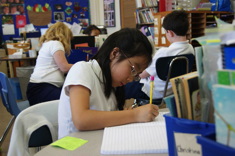
Writing Do-Overs: ERPs in the Classroom
ERP. The sound can't help but make you grin. It's Heather Rader's acronym for Explicit Revision for Peers, a series of one-minute kinesthetic writing routines to help students learn how to help each other kindly during writer's workshop.

Returning to Our Creation Chambers: Supporting Experienced Teachers
Jennifer Allen reflects on her experiences as a teacher, and develops ways to help the veteran teachers she works with return to their “creation chambers.”
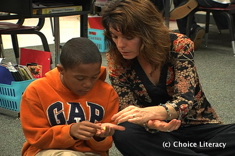
The Power of Wonder Questions
Andrea Smith writes about how she uses wonder questions in her science curiculum.
Creating Shared Learning Experiences for New and Veteran Teachers
Laughter or struggles – the experiences we share are the ones that bind us together. Jennifer Allen mulls over how to foster more of those shared experiences for the colleagues she coaches.
Punctuation Study with Third Graders
Mandy Robek finds a punctuation unit study with her third graders is a fun alternative to yet another genre study. Her essay includes booklists of children's literature and professional texts.

Sharing Data with Families at Parent/Teacher Conferences
How can teachers use assessment data in conferences with parents, without overwhelming them with information? Clare Landrigan and Tammy Mulligan recommend a "data snippets" approach.
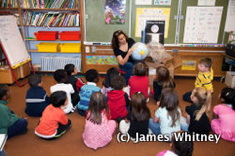
Engaged by the World: Maps, Globes, Reading, and Writing with Young Children
Kelly Petrin and Ruth Shagoury connect globes and children's literature with a map theme to inspire young children to write more and include visual representations in their drafts. While the examples are from a Head Start classroom, the booklist and activities are appropriate for any K-2 students.
Creating a Culture of Literacy
How do we create schools and communities where everyone is passionate about reading and writing? Shari Frost has practical advice for teachers and school leaders.

Overcoming Slumps: Principles for Student Writers
Clare Landrigan finds she is struggling as a writer and runner. Getting out of both ruts helps her develop three simple principles for working with students in slumps.

From Page to Screen: My Top Ten Film Adaptations of Children’s Books
Shari Frost is inspired to create a list of her favorite children’s book to film adaptations.

Tips for More Effective Debriefing Sessions
Clare Landrigan and Tammy Mulligan share strategies and seven different observation templates for participants to download and try out.

Teaching Reading Skills with Wordless Picture Books
Franki Sibberson shares some of her favorite wordless picture books for teaching reading skills.

If We Could Meet Again
Shirl McPhillips captures perfectly the "shaking off the old classroom skin" feel of the start of the summer. Shirley's commentary encourages teachers to use time away from students "to break out, free up, go someplace, and cast off the trappings."
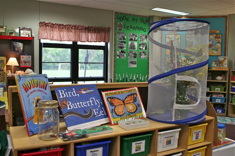
Our Daily Question: Building a Community Through the Data We Collect
If you’re looking for routines that meld community building and learning essential skills, you might enjoy Andrea Smith’s “Our Daily Question” activity with her 3rd and 4th grade students. Classmates share interests and build data gathering and analysis skills together.
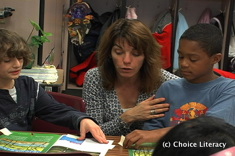
Writing Like a Scientist: Launching a Scientist’s Notebook
Andrea Smith explains how she launches a unit on science writing with logs, writing samples from scientists, and mentor texts.
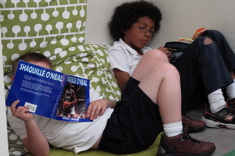
Biographies Off the Beaten Path
Here are some quirky biographies that will inspire and delight your students.

Unlucky Lists: Raising Non-Writers and Non-Artists
These lists created by S. Rebecca Leigh are a fun way to size up the messages we send students about reading, writing, and drawing, and how these may influence lifelong literacy habits.
Browse Content By
Type
Category
- Assessment Tools
- Big Fresh Archives
- Booklists
- Choice Numeracy
- Classroom Design
- Common Core
- Community Building
- Conferring
- Content Literacy
- Digital Literacy
- English Language Learners
- Equity
- Family Relations
- Free Samples
- Guiding Groups
- Leadership
- Literacy Coaches
- Mentor Texts
- Minilessons
- New Teacher Mentors
- Podcasts
- Poetry
- Quote Collections
- Reading Strategies
- Self Care
- Struggling and Striving Learners
- Talking and Listening
- Teacher Study Groups
- Teaching Reading
- Teaching Writing
- Word Study and Vocabulary
Author
- Melissa Quimby
- Nawal Qarooni
- Gwen Blumberg
- Julie Cox
- The Lead Learners
- Hannah Tills
- Josie Stewart
- Ruth Metcalfe
- Mallory Messenger
- Becca Burk
- Jodie Bailey
- Vivian Chen
- Mary Brower
- Tiffany Abbott Fuller
- Stephanie Affinito
- Ruth Ayres
- Leigh Anne Eck
- Heather Fisher
- Shari Frost
- Julie Johnson
- Suzy Kaback
- Gigi McAllister
- Shirl McPhillips
- Melanie Meehan
- Cathy Mere
- Debbie Miller
- Tara Barnett and Kate Mills
- Tammy Mulligan
- Dana Murphy
- Bitsy Parks
- David Pittman
- Brenda Power
- Heather Rader
- Matt Renwick
- Mandy Robek
- Christy Rush-Levine
- Gretchen Schroeder
- Jen Schwanke
- Brian Sepe
- Katherine Sokolowski
- Stella Villalba
- Jennifer Vincent
Grade Level
Choice Literacy Membership
Articles
Get full access to all Choice Literacy article content
Videos
Get full access to all Choice Literacy video content
Courses
Access Choice Literacy course curriculum and training
