
Library
Choice Literacy Articles & Videos
The Choice Literacy library contains over 3,000 articles and 900 videos from 150+ contributors. Classic Classroom and Literacy Leadership subscribers have access to the entire library. Content is updated continuously, with five to six new features published each week.
Latest Content
July 3, 2026: Announcement
This week we share an important announcement.
June 19, 2026: Keep Curiosity Alive
This week’s newsletter is about the way passion and curiosity make a difference.
June 5, 2026: Listen to Students
This week’s newsletter is about garnering feedback from students.

Classroom Talk: Three Kinds
A lot of talk and communication goes into building a classroom community that runs smoothly. Bitsy Parks shares these kinds of conversations to give a foundation for confidence and skills that contribute to successful learning and collaboration.
Student Feedback Shaping Classroom Environments
Jodie Bailey uncovers the results of her student feedback survey. Jodie shares a simple and meaningful way to receive feedback from students and use it to affirm and grow your instructional practices.
May 29, 2026: Celebrations
This week’s newsletter is about celebrating.
May 22, 2026: Picture Books
This week’s newsletter is about using picture books with all ages of students.
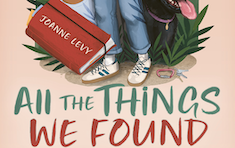
Unlikely Friendships: A Multi-Generational Booklist
Teachers understand the power of relationships and how we, as humans, need connection. Leigh Anne Eck has compiled a booklist of unlikely friendships that span generations.
May 15, 2026: Things That Mean the Most
This week’s newsletter is about small moves that make a big difference.
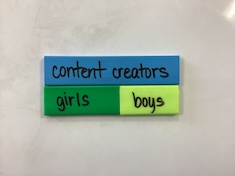
Making Meaning of Story Through Modeling
To develop a deep understanding of subject matter, comprehension is necessary across all content areas. Jodie Bailey shows the intricate use of bar models and a slow-reveal method for solving a problem by providing time and space for students to make sense of the story before jumping into action.
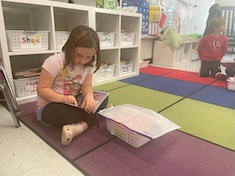
“I Was Scared”: Manny’s Story
Bitsy Parks offers wise insight about a student who often ran from the classroom in kindergarten. When she joined Bitsy’s first-grade class, everyone was surprised by the student’s new attitude and willingness to learn. Bitsy reflects on what made a difference.
May 8, 2026: Reflecting on Growth
This week’s newsletter is about using reflection to identify growth in students.
April 24, 2026: End-of-Year Plans
This week’s newsletter is about closing the school year.

Addressing Attention Spans
Jodie Bailey nudges us to be aware of the changes in attention spans and to provide opportunities to build time management skills.
Let the Math Linger: Creating Spaces and Conditions for Students to Revisit Math Materials Over Time
Mallory Messenger takes a fresh look at the spaces in classrooms where math can “linger.” By being intentional about the lingering experiences students have in math class, we can shift students’ view of math as isolated, daily math problems to connected math experiences ready for continued thinking and learning.
Eight End-of-the-Year Routines
Mandy Robek compiles eight ways to close the school year with intentional growth and joy.
Cool Things Happening This Year: Celebrating Greatness from Within
“Cool” things are happening all around us. Why search and scroll online when we are surrounded by ideas in real life? Heather Fisher guides us in creating celebration and reflection routines for the adults in the school.
March 27, 2026: Special Edition: Spring Break
This week’s newsletter is a special edition curated with articles inspiring teachers to thrive.
March 20, 2026: Stay Mentally Fit!
This week’s newsletter is about healthy mental wellness for teachers.

Building Community and Culture with a Restorative Approach
Rather than focus on managing student behavior, Leigh Anne Eck considers restorative practices. In this article she shares about proactive circles with a literacy twist.
Navigating Complex Conversations with Young Children
Sometimes, in a world that feels divisive and intense, it is hard to sit before a rug full of children and teach the next phoneme sound or math strategy. Becca Burk shares practical strategies for navigating tricky conversations with young children. From books to read, conversation stems, and how to return to academic learning, Becca leads us all in knowing how to steady the room, and then teach.
March 6, 2026: Navigating a Literacy Curriculum
This week’s newsletter is about navigating a literacy curriculum.
Pattern Seeking and Visualizing Numbers Lesson Structure
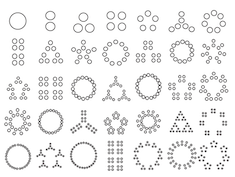
Powerful images, diagrams, and visuals can spark curiosity and encourage students to make connections they may not make otherwise. Mallory Messenger shares three number visuals and gives practical applications for any math classroom. Don’t miss her list of resources.

Tips for Navigating a Scripted Literacy Program
Mandy Robek offers encouragement and tips for teachers who are navigating a highly structured literacy curriculum.
February 27, 2026: The Power of Reading
This week’s newsletter is about making time for independent reading.
The Chain
Gretchen Schroeder addresses the doomsday messages about students’ reading abilities and then lets us peek into her high school classroom of active readers.
February 20, 2026: Routines for Literacy
This week’s newsletter is about routines for literacy.
February 13, 2026: Special Edition: Straight from the Heart
This week’s newsletter is a special edition curated with articles straight from the hearts of our contributors.
February 6, 2026: Using Literacy for Good
This week’s newsletter is about using literacy for good.

What Type of Mistake Was It?
How can we help students reflect on their mistakes so that they can be honest with themselves about the type of error they made? Mallory Messenger offers suggestions for how to position students to reflect on their mistakes during problem solving.
Browse Content By
Type
Category
- Assessment Tools
- Big Fresh Archives
- Booklists
- Choice Numeracy
- Classroom Design
- Common Core
- Community Building
- Conferring
- Content Literacy
- Digital Literacy
- English Language Learners
- Equity
- Family Relations
- Free Samples
- Guiding Groups
- Leadership
- Literacy Coaches
- Mentor Texts
- Minilessons
- New Teacher Mentors
- Podcasts
- Poetry
- Quote Collections
- Reading Strategies
- Self Care
- Struggling and Striving Learners
- Talking and Listening
- Teacher Study Groups
- Teaching Reading
- Teaching Writing
- Word Study and Vocabulary
Author
- Melissa Quimby
- Nawal Qarooni
- Gwen Blumberg
- Julie Cox
- The Lead Learners
- Hannah Tills
- Josie Stewart
- Ruth Metcalfe
- Mallory Messenger
- Becca Burk
- Jodie Bailey
- Vivian Chen
- Mary Brower
- Tiffany Abbott Fuller
- Stephanie Affinito
- Ruth Ayres
- Leigh Anne Eck
- Heather Fisher
- Shari Frost
- Julie Johnson
- Suzy Kaback
- Gigi McAllister
- Shirl McPhillips
- Melanie Meehan
- Cathy Mere
- Debbie Miller
- Tara Barnett and Kate Mills
- Tammy Mulligan
- Dana Murphy
- Bitsy Parks
- David Pittman
- Brenda Power
- Heather Rader
- Matt Renwick
- Mandy Robek
- Christy Rush-Levine
- Gretchen Schroeder
- Jen Schwanke
- Brian Sepe
- Katherine Sokolowski
- Stella Villalba
- Jennifer Vincent
Grade Level
Choice Literacy Membership
Articles
Get full access to all Choice Literacy article content
Videos
Get full access to all Choice Literacy video content
Courses
Access Choice Literacy course curriculum and training
