
Choice Lit Topic: Minilessons
Keeping it short, relevant, and meaningful is the challenge when it comes to designing lessons. Here is where you’ll find practical advice and dozens of video examples of master teachers in action.
Results
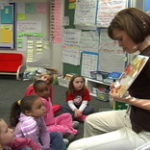
Picture Reading in First Grade
In this read-aloud lesson from Katie DiCesare's first-grade classroom, Katie demonstrates the importance of picture reading using the picture book The Zoo by Suzy Lee. Because the students need the pictures to help understand the characters, setting and events, they are able to see how pictures help us “think in the story” and “figure out the words.”
Writing Workshop: Preparing for Publication
Beth Lawson helps her fourth-grade students work through a checklist of items to prepare for publishing early in the fall.
Launching a Punctuation Study in Second Grade
Linda Karamatic begins a punctuation study with her second graders, sharing mentor texts, starting an anchor chart, and engaging students in punctuation inquiry partnerships.
The Blank Page and Better Teaching
I would be a better teacher if. . . Have you ever thought these words? I would be a better teacher if . . . I’m sure everyone has...

Interactive Read Alouds to Support Struggling Readers
Do you remember using a kickboard when you were learning how to swim? The kickboard kept you afloat and allowed you to concentrate on your kicking. You didn’t have to...
Writing, Graphic Organizers, and Mentor Texts
In this video from Sean Moore's second-grade classroom, Sean demonstrates how to use a graphic organizer with his own writing as the mentor text.

Educating the Writer’s Palate
On the day that I married my husband, I received two gifts from his aunts -- a cookbook of his grandmother’s recipes, filled with the Eastern European flavors I grew...
Focused Independent Reading in Second Grade
Sean Moore demonstrates how he helps students focus their independent reading with preparation and then with discussion after reading.
Digging Deeper with Rereading
In this video from Katie DiCesare's first-grade classroom, Katie uses the strategy of rereading to help students look more closely at words - in this case, rhymes and word parts.
Nonfiction Read Aloud (Part 1)
Sean Moore engages his second graders in a read aloud of the book Plants That Eat Animals. Sean varies the ways the students respond to the read aloud. He also chooses to read the text without showing any visual supports when he wants the students to create mental images, focus on vocabulary, or make connections between the text and their experiences.
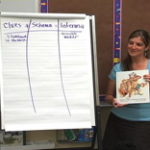
Inferring Read Aloud
In this whole-group minilesson, sixth-grade teacher Katie Doherty uses the book Wilfrid Gordon McDonald Partridge to have the students listen and chart their clues, schema and resulting inference.
Inferring and Word Learning in a Small Group
While demonstrating this lesson in front of teachers, Clare Landrigan uses the students’ previous work with inferring about author’s message to have them infer with unknown words they encounter in text.
Purposeful Writing Share Sessions in 1st Grade
Katie DiCesare explains how she has made her whole-class writing share more purposeful during writing workshop. The video includes an example of a share session.
Word Choice Lesson: A Collaborative Coaching Session
Jennifer Allen collaborates with a new teacher, Jessica, early in the fall to teach a lesson in Jessica's 4th grade classroom. Click here to download the workshop guide. COMMON CORE...
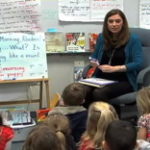
Linking Morning Message, Poetry, and Word Learning
In this video, second graders start off their morning by reading a message out loud. Linda Karamatic has included a challenging word to discuss meaning. Students also share out what they are thinking about and how they are using words from their “Words, Words, Words” board.
Scaring Up Better Narratives Part I
Aimee Buckner leads a lesson on brainstorming topics in writer's notebooks using the mentor text Some Things Are Scary. In this first installment of a three-part series, Aimee reads the book and models her own thinking process and use of a writer's notebook.
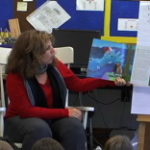
Narrative Nonfiction in 5th Grade Part 1
In this lesson from a 5th grade classroom, Aimee Buckner guides students in a notetaking process to help understand the qualities of nonfiction narrative writing.
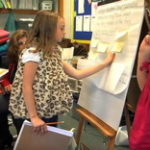
Narrative Nonfiction in 5th Grade Part 2
In this lesson from a 5th grade classroom, Aimee Buckner guides students in a notetaking process to help understand the qualities of nonfiction narrative writing. Students use their notetaking to lead them deeper into questioning as critical readers.
Point of View in Historical Fiction: 5th Grade Minilesson
In this demonstration lesson from a fifth-grade classroom, Aimee Buckner works with students to construct an anchor chart for understanding the genre of historical fiction.
Fonts Lesson: A Revision Strategy for Transitional Writers
Franki Sibberson teaches a minilesson on fonts as a revision strategy for her grades 3 and 4 students.
Crafting Characters in Writer’s Workshop
In this lesson from writer's workshop, Franki Sibberson shows how shared text can be used to help young writers understand character traits and development.
