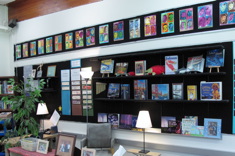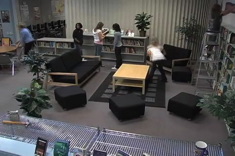
In the article Room for Beliefs: Linking Classroom Design and What We Value, Debbie Miller helps us think through the ways that our room design reflects the things we value about student learning. She provides three important questions to think about when we map out our classroom designs that we want others to be able to answer when they visit our rooms:
What do you know I value?
What do you know about what I believe about teaching and learning? What’s the evidence?
What do you know about the kids in this room?
Looking at the above questions, Miller says, “Any thoughtful person who spends even a small amount of time in our classrooms should be able to respond to these questions.”
These questions have helped me to think about classroom design and the messages that I am giving about learning and the things I value to my students. I’ve also been thinking more specifically about my classroom library organization and the messages its organization gives about the behaviors I hope that readers develop in the classroom.
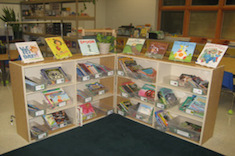
The design of our classroom library gives a message to anyone who walks into our classroom. But most importantly, the way that it is organized gives big messages to our students about the things we value about their reading lives. When students and visitors look into our classrooms and see shelves and shelves of leveled books, each labeled with a number or letter, this lets them know that reading in this room is about moving to the next level. For me, that message is the same message that I received as a 6th grader as I worked my way through my SRA kit, stuck on the blue level for a very long time, while my friends moved to colors of higher levels.
Instead of that message, I want the library design to help children develop habits of readers . . . habits that they may already have or habits that they may grow into. I want to give them new ways to think about books and their own reading lives. I have learned over the years that the organization of the classroom library can help students build strong identities as readers.
Basket Topics Promote Values and Independence
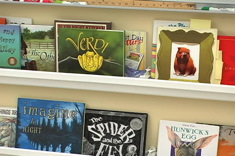
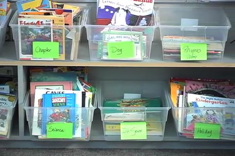
My classroom books are mainly organized into baskets so that students can browse books face out. There are many options for the categories of the baskets, so I think about the messages that each type of organization gives. I try to have as many different types of categories as possible so that students have lots of ways to think about their own reading.
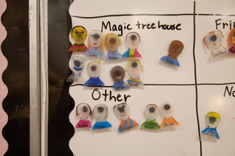
When students see baskets of books designated for a “character we love” such as a basket that houses all of “The Pigeon

When students see nonfiction books divided into topics of interest, the message I hope to give is that we all have passions and interests, and we can learn about those topics from a variety of books and resources.
When students find books organized into baskets by format (whether it is songbooks, nonfiction question/answer books or novels in verse), they get the message that books are written in different ways and that readers develop tastes for certain formats.
When students see baskets of books with similar themes (such as books about friendship or books about growing), they learn that mood and taste play into the kinds of books you might want to read today.
When students see a basket of books that we’ve read together, the message is that rereading is valued in this classroom and that when you reread, you notice new things.
When students see fiction picture books alongside fiction chapter books,they learn that length is not the thing that makes a book “good”. Books of varying lengths and difficulty are valued equally – picture books as well as chapter books.
When students see books organized into baskets by authors, we are giving them the message that we hope that they find authors they love and that often readers read every book by a favorite author. We teach them that if they love a book by an author, chances are they might like other books by that same author.
When students see two copies of a single title shelved together with a “Read with a Friend” label or when they see a shelf of multiple copies of books, they know that reading together and talking to others about the books we are reading is important. We’ll spend lots of time talking to others about their thinking around books.
When students see areas of the classroom library designated for comic books, comic strips, sports articles, and magazines, I am giving them the message that books are not the only things that “count” as reading in this classroom.
When students see “If You Like . . .” baskets such as “If You Like Books by Matt Christopher, You Might Also Like . . .” students learn that the books that they love can lead them to other books. They begin to think about the reasons that they love certain books.
When students see baskets that they can add to when they have a book to recommend to classmates, they know that sharing titles with others and learning about new books from others will be valued.
When a basket of books is designated for “New Books” and a board in the classroom announces books that are “Coming Soon!”, students begin to anticipate new books, search the Internet for dates of upcoming books in a favorite series and more. They become part of the larger reading community – the one outside of the classroom walls.
These are not the only options for organizing books. But my hope is that I organize books in ways that not only give students important messages about the things that are valued. I also want the organization of the library to help students build the habits and behaviors of readers, and a growing understanding of their reading identities.