
For the past year, if it’s 6:50 on a Wednesday evening, I can be found opening my computer and logging on to Zoom. The waiting room most likely already has 20 students. My own kids—seven, six, and three—are scrambling in the next room to log on to Zoom from their Chromebook. I see their names appear in the waiting room. “Ten more minutes until Mystery Reader!” one yells.
For the last year, our primary school has offered Bedtime Stories with a Mystery Reader over Zoom to our families on Wednesday evenings. Every week, we’ve had over 50 families log on, and most weeks we’ve had over 90 families. We’re still holding out for the week we hit 100.
The simplicity of Bedtime Stories with a Mystery Reader is what has made it so successful; it’s kept the joy and community that reading brings at its center, and that’s been enough. Here’s what’s worked for us.
Find a partner and divide the prep work.
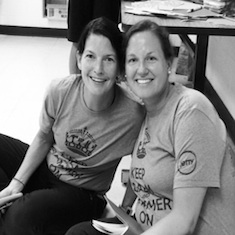
Our school nurse was the one who originally came up with the idea and approached Kate about collaborating. This allowed us to share the Zoom hosting on Wednesday evenings and divide the prep work during the week. One of us took on sharing the books, and the other handled the communication with readers leading up to Wednesday and prepping the slides for the evening. Co-hosting also helps divide the duties of helping everyone stay muted and screen sharing if the Mystery Reader isn’t comfortable with handling the screen sharing themselves.
Ask for volunteer readers.
We sent out a Google Form to all staff members for them to indicate interest in being a Mystery Reader. The form included general information at the top, pictured below.

The rest of the form asked them to give the following information:
-
Your name (if you’re interested in being a Mystery Reader)
-
The book you’d like to read
-
If you have a digital copy of the book already or need help securing one
-
A list of all Mystery Reader dates for the school year and the option for staff members to check as many that work for them as possible
As responses came in, we added a tab to the spreadsheet that’s automatically created from the form and made a schedule. We included columns to show the book the person was reading, a link to the digital text, and whether we’d emailed the staff member to confirm.
Although we had enough staff interest to fill the weeks, we also reached out to our local librarian and other community members the students were familiar with and invited them to read, too.
Advertise to families.
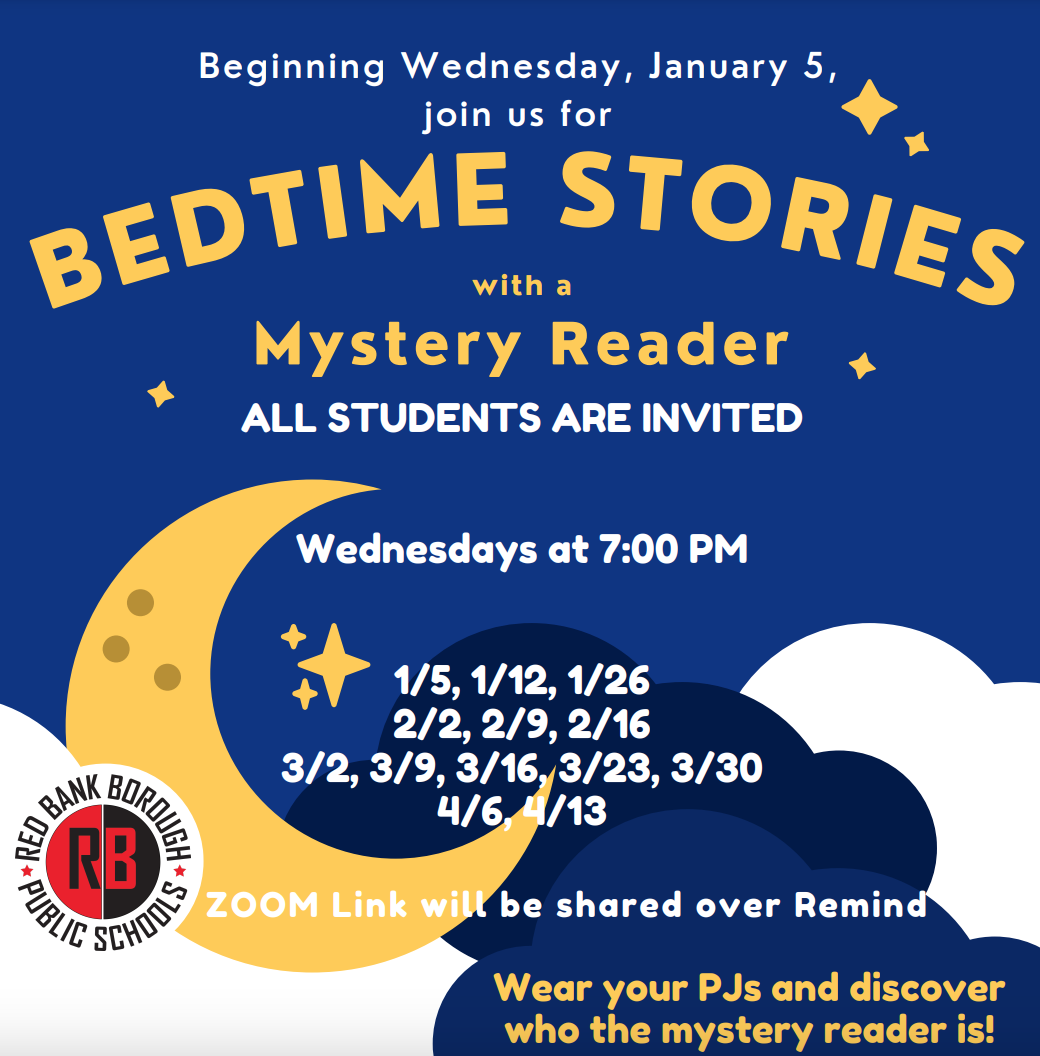
We created the flyer below to advertise on X and send to families through Remind, our school messaging system. Our district added the Zoom link to the district calendar for each week, and teachers added the Zoom link to their Google Classroom pages. Each Wednesday morning, a Remind message with the Zoom link was sent to families. All communication was sent in both English and Spanish. It was basically impossible for families to miss that it was happening.
Build some suspense.
Our original idea was to read a bedtime story over Zoom, but in thinking about how to generate interest, we thought about instead making the reader be a mystery. Each volunteer sends three clues to us that they want us to read for them, and we reveal the clues on the night of the Zoom and give students three choices. They vote by holding up fingers—a one, two, or three—to show their guess. Our principal had the great idea to read the clues as part of the announcements leading up to Wednesday so that students start to talk about it more in school. She reads two of the clues—one on Tuesday and one on Wednesday—and students get to hear the third clue when they log on to Zoom Wednesday evening.
On Wednesday evening, the Mystery Reader logs on to Zoom a few minutes before 7. We change their name to “Mystery Reader” and have them turn their camera off and mute. Then, at 7, we begin letting students in from the waiting room, allow them to say hi to everyone, and then play a short film, meditation, or brain break to give us a few minutes of buffer for any latecomers to arrive. At 7:05, we read the clues, and students vote.

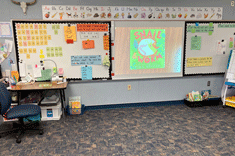
Above is the slide we display to welcome everyone and an example of clues and guesses from one week.
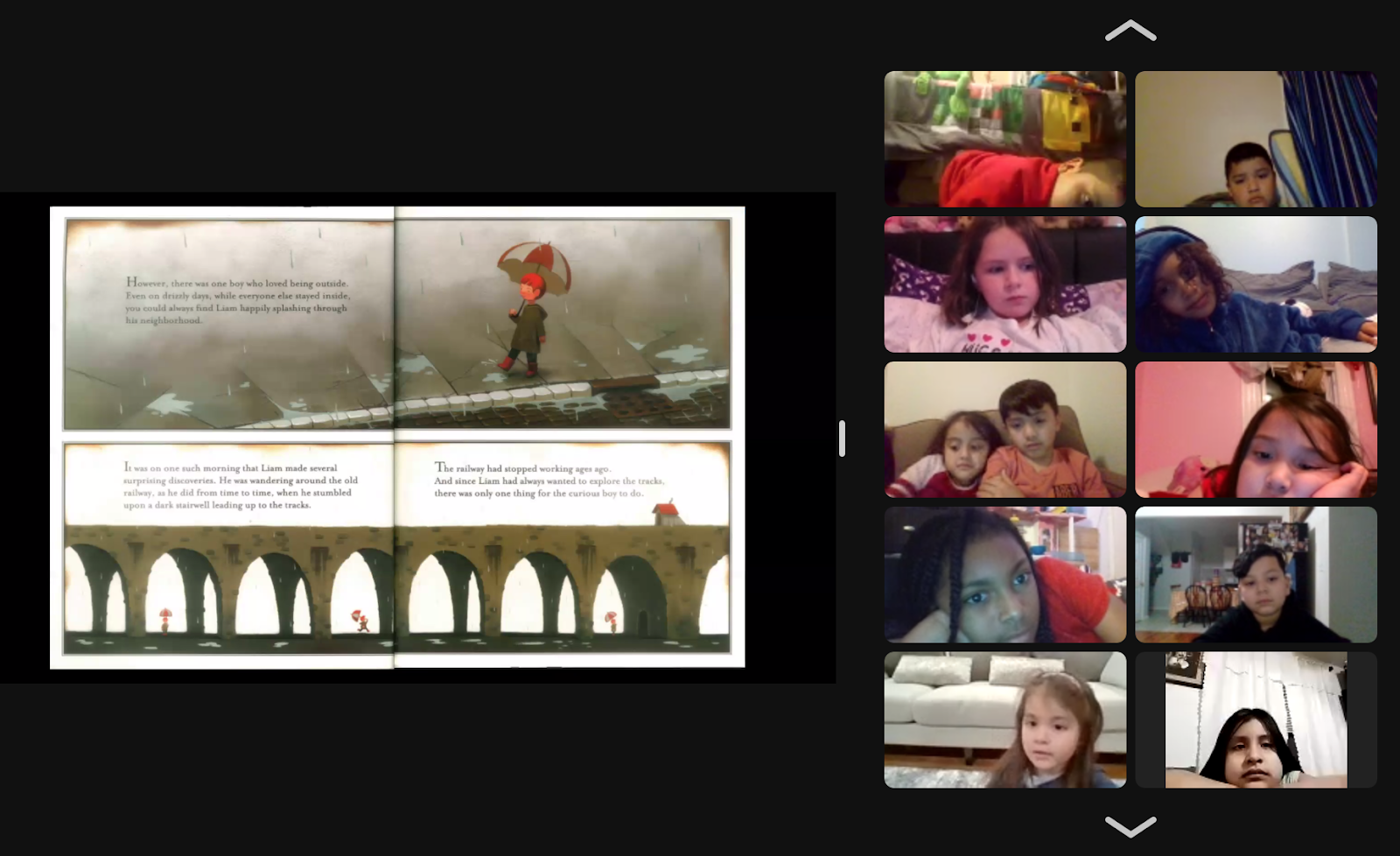
“Mystery Reader, are you there?” we ask, and the Mystery Reader turns their camera on and is met with squeals and exclamations of “I knew it!” from the students. Once the students are settled, the reader begins to read, and by 7:15, we’re saying good night, waving goodbye, and ending the Zoom.
Let reading grow reading.
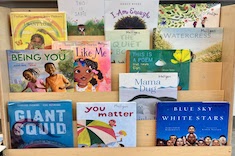
Thursday morning, three or four students or families who attended the night before are announced as the week’s book bundle winners and are given a stack of books to take home with them. There’s great excitement and celebration in the classrooms that have a book bundle winner each week.
“Good night, friends! We’ll see you tomorrow!” I say on Wednesday evening, waving to my computer. I click the red End Meeting button and shut my computer. My six-year-old sprints into the room exclaiming, “I guessed right!”
“I wonder who the Mystery Reader will be next week,” my seven-year-old says.
“We’ll have to wait and see!” I say as we head upstairs for bed.