
If you’re reading this article, there’s a good chance that you either teach rural students or were a rural student yourself. According to a research study conducted in 2019, “Nearly one in five U.S. students, or more than 9.3 million students, attend rural schools.” In addition, half of all rural students in this country live in 10 states—Ohio and Indiana among them.
I grew up in a small, rural community and have been teaching in one for more than two decades. In popular culture people from rural areas are often portrayed as backward and stupid, comic relief to make an audience laugh, and the sheer number of nicknames for rural people—hick, hayseed, hillbilly—speaks to the collective consensus that rural is something to be ridiculed. Even people who live and work in these places often minimize their importance, whether consciously or not. I know I’m guilty of not naming my hometown when asked where I’m from, citing the excuse that no one will have heard of it anyway.
I recently came across two books on separate occasions—Rural Voices: 15 Authors Challenge Assumptions About Small-Town America edited by Nora Shalaway Carpenter and Teaching English in Rural Communities: Toward a Critical Rural English Pedagogy by Robert Petrone and Allison Wynhoff Olsen—that made me realize that we should be addressing issues of rurality within our classrooms, because taking a deficit view on the subject is harmful for us and our students. Chapter 2 of Teaching English in Rural Communities introduces the Critical Rural English Pedagogy (CRP) in which rurality is centered within the language arts curriculum, which encourages students to identify and question the attitudes and assumptions about rural places. I thought the Rural Voices anthology would be the perfect text to practice CRP with my students.
I teach in a small rural community just east of Columbus, Ohio. Every year during the week before Labor Day, the town hosts a Sweet Corn Festival. School is closed during this time as the majority of students work at the festival and everyone—including many out-of-town guests—gathers together during the festival’s six days. I wanted to start this unit at the beginning of the year because this festival reminds us of the town’s agricultural roots as well as the pleasures of small-town life. An opening lesson based on the picture book If You’re Not from the Prairie by David Bouchard gets students thinking about the unique qualities of where they live and what makes their town special.
Alek writes this:
I’ve rode the rides
I’ve ate the food
I’ve played the games
I’ve had the fun
My home is the Sweet Corn Festival, and I love it.
After writing poetry about the places where they live, I asked students to think about their definitions of culture and rural, as well as how they would describe the culture of the town and how the media represents rural people both positively and negatively. We used a class Jamboard to record our thoughts.
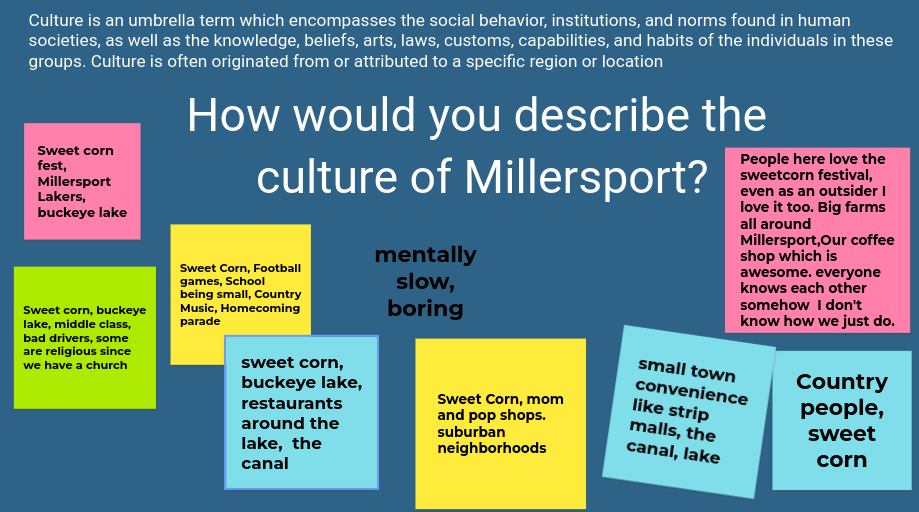
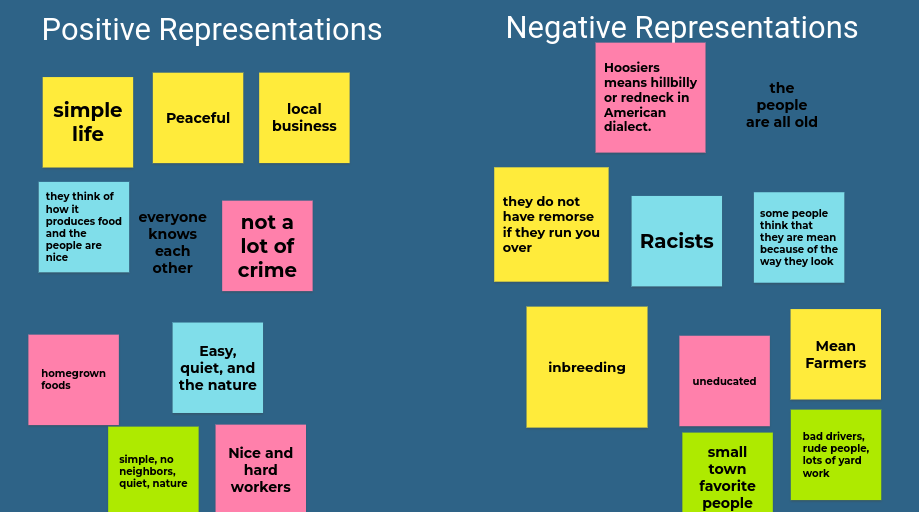
After our brainstorming and discussion, we turned our attention to the story “Fish and Fences” by Veeda Bybee in Rural Voices. Using some of the questions for a Critical Race Perspective from Teaching English in Rural Communities, I created a notetaking sheet for students to record observations about characterization, setting, plot, and theme as we worked our way through the story as a class. The story featured a town that was quite similar to ours where there isn’t much diversity, the school is so small that no one has to try out for sports, and football is put on a pedestal.
Next I wanted students to try taking their thoughts and ideas about the story and writing a literary analysis paragraph that argued how “Fish and Fences” portrays the culture of rural places and whether they found that portrayal accurate. Since it was early in the year, we worked through the paragraph step-by-step to remind students how to craft a thesis statement, introduce evidence, and add commentary.
Emma argued, “In ‘Fish and Fences’ Veeda Bybee portrays rural places as primarily white with little ethnic diversity and people who make assumptions without any solid knowledge.” On the other hand, Alizah argued that the story “portrayed rural people as different from the normal/average person.” This statement made me realize that there were conversations to be had around the deficit mindset pertaining to rural people. If rural people aren’t “normal or average,” who is? What kinds of places are valued and seen as important instead?
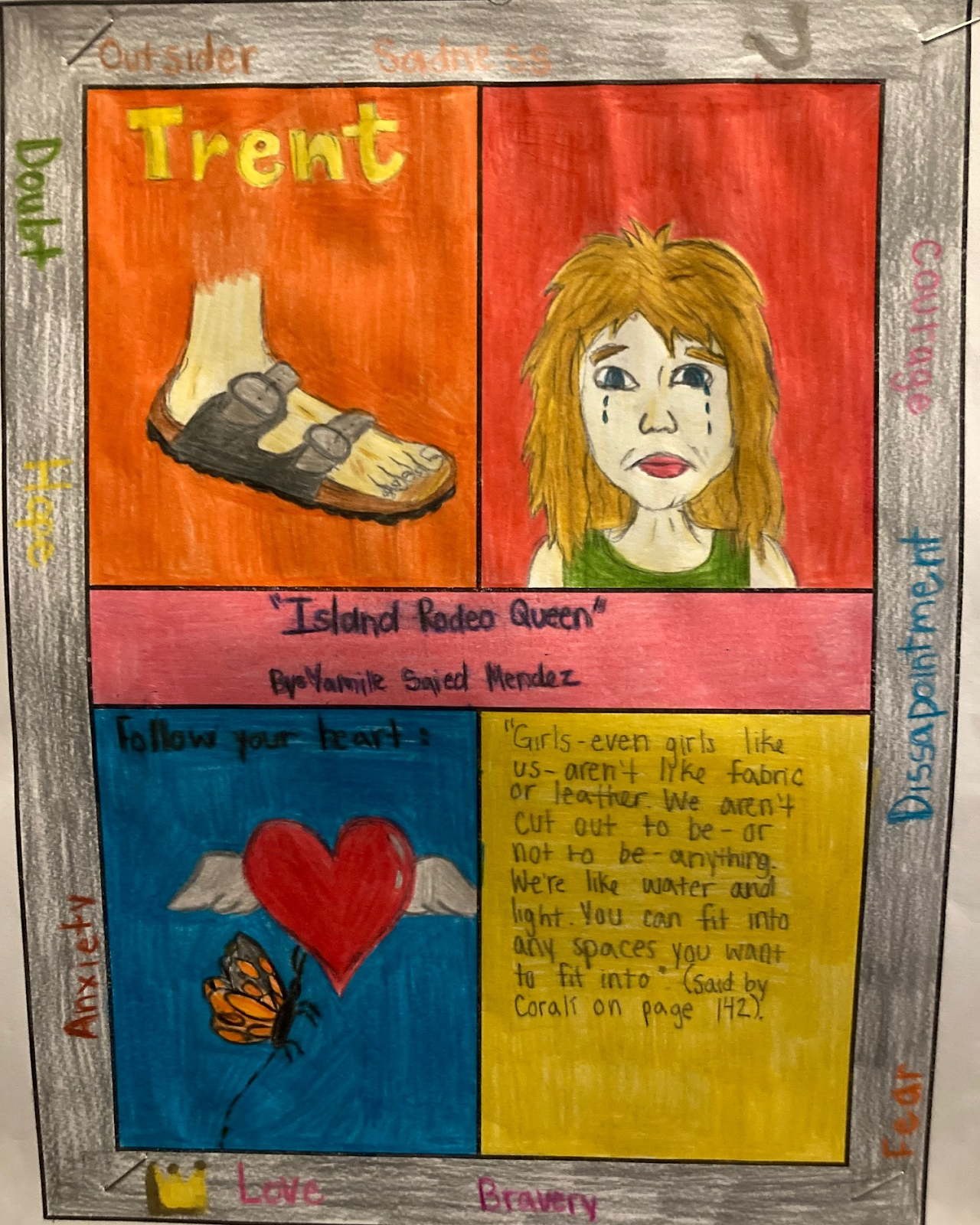
Since the first round of using CRP was conducted as a whole class, I next wanted students to try out the process independently. Students chose an additional story from Rural Voices to read. They took notes on this story, and wrote another analytical paragraph. To share their stories with the class, students created a one-pager that incorporated symbolism and visuals to generate interest in the stories.
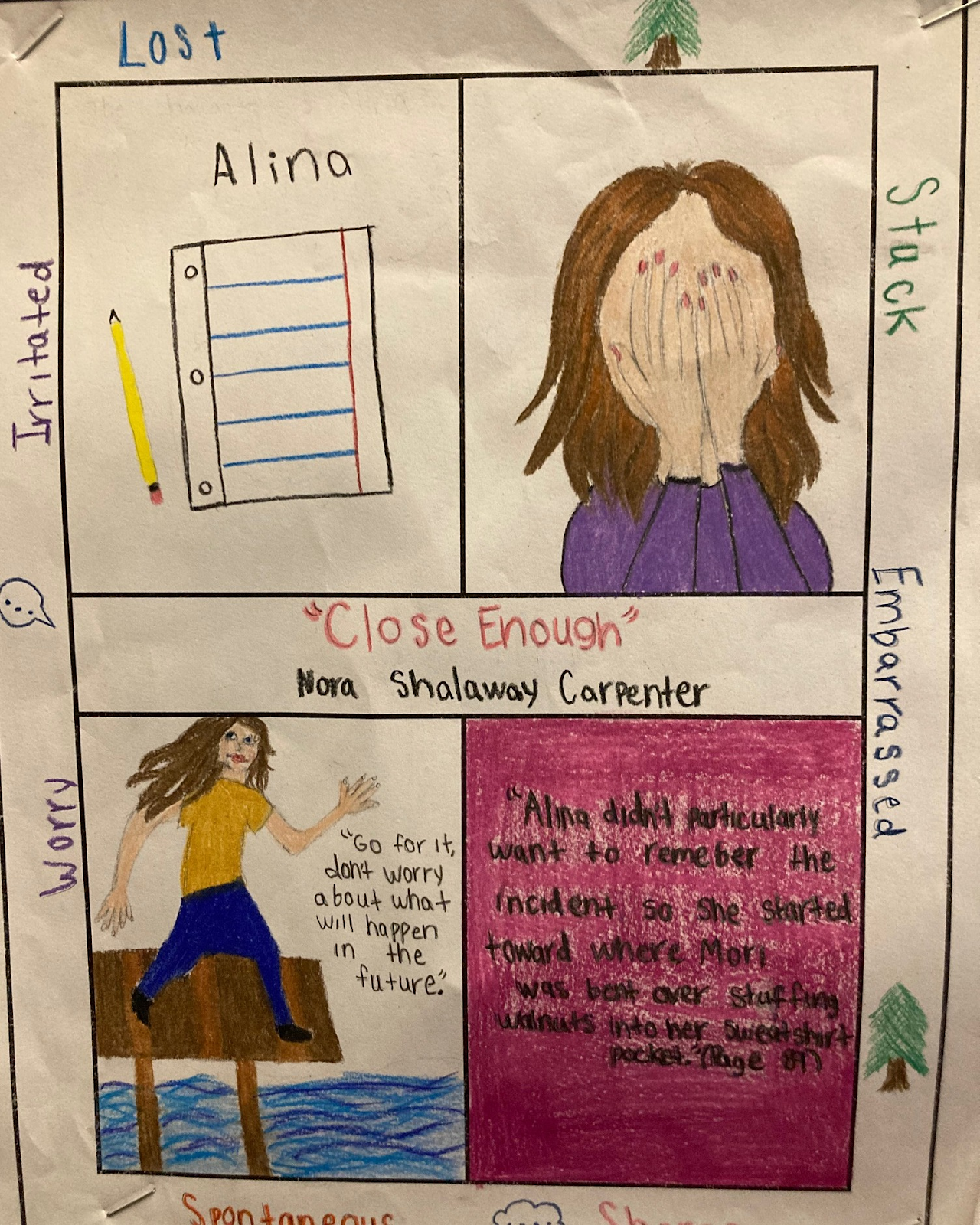
The students’ writing and discussion around rural places showed the complexity of the issue.
Maria noted how in both the story she read and in her own experience, judgments and stereotyping in rural spaces can lead to offense and misunderstandings, but she also added that these problems can occur anywhere. Nate explained how in the story he read, small-town traditions were portrayed as exclusive and at times exclusionary, and although this rang true to experiences he had witnessed in his own town, this was not the way that he personally felt.
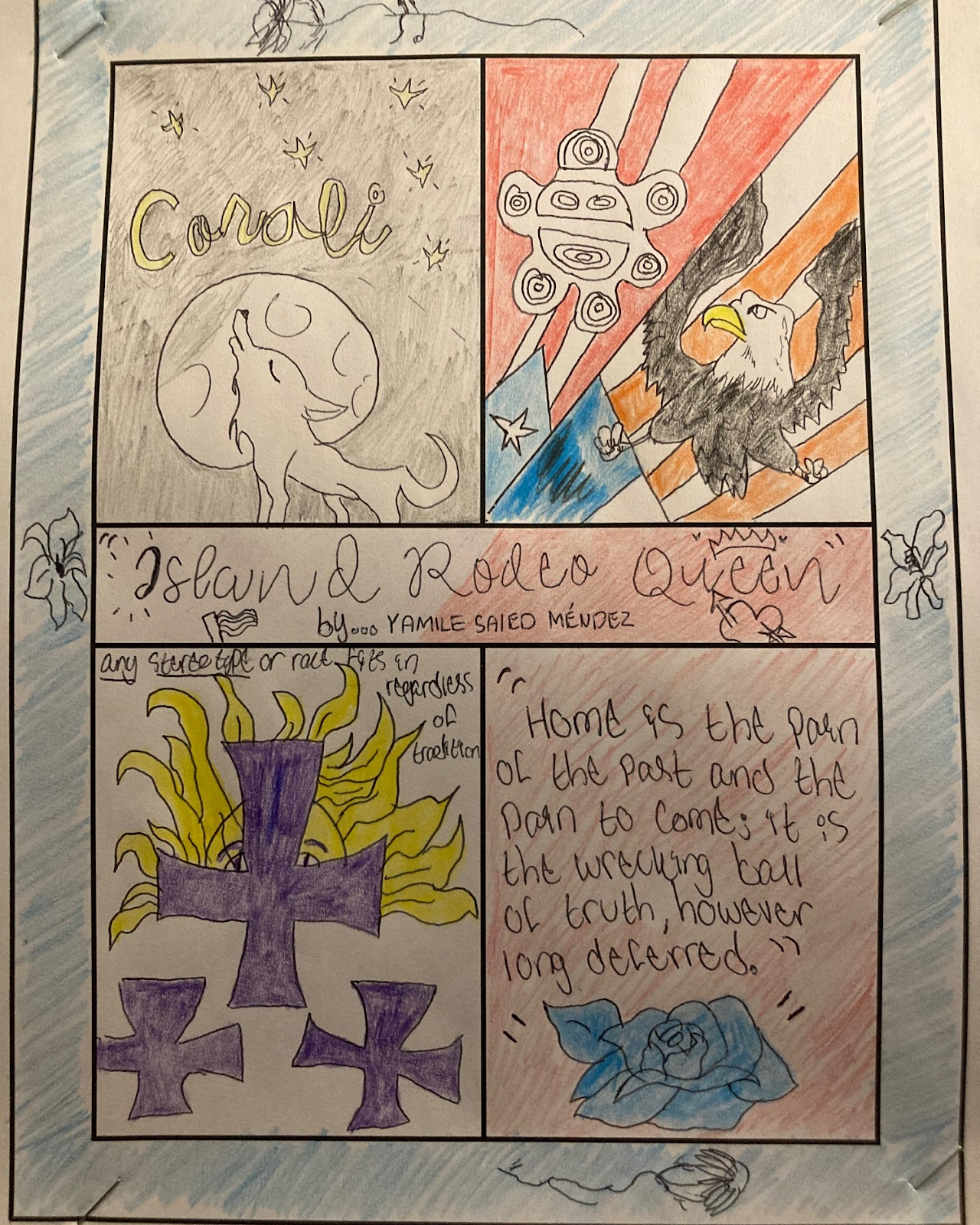
Most of my students admitted that they hadn’t thought much about being from a rural environment, let alone explicitly discussed or critiqued it. Rural places are often disparaged and seen through a deficit lens. Through our reading and discussion, my students concluded that although many of these negative perceptions don’t line up with their personal experiences, some of them do, and both sides are worth confronting. I want my students to celebrate all of the wonderful aspects of rural people and places, while also being aware of the negative aspects that they can work to change.
Downloads
Rural Voices Analysis Paragraph
Critical Rural Perspective Analysis Note Sheet