
Choice Lit Topic: Teaching Reading
Our contributors lead reading workshops in classrooms with creative flair. Over the past 12 years, we’ve filled our site with loads of suggestions, tools, and tips for using engaging books throughout the curriculum to hook kids on reading. Here is where you will find many stories of successful and not-so-successful workshop days, and what we learned from them. We bring these stories to life through hundreds of video examples.
Results

Book Matchmaker: Fairy Tales for Older Readers
Fairy tales for older readers are becoming more popular. Many readers enjoyed Harry Potter in the elementary grades, and sophisticated fairy tales are a perfect choice for...

Poetry Friday in the Computer Lab
“Poetry Friday in the Computer Lab?” questioned one of my students on a Friday morning in mid-May as he scanned the daily agenda on the chalkboard. “How can we do...

Poems Facing Art: Ekphrasis
Minutes before the poetry writing group got down to business, talk was about Edvard Munch’s The Scream. Sotheby’s had just sold the 1895 pastel version for $119.9 million dollars. Petra...

Value-Added: Moving Assessments from “Inflicted” to “Student-Owned”
I looked at Michael’s latest reading reflection and sighed. It was January, and he was still struggling to make progress in his ability to demonstrate deep thinking about his independent...

Poetry All Year Long
“Poetry Bands, take your places. It’s time to begin,” I announce to my eager and anxious poets. It is a warm and sunny Thursday morning in early June. Fourth graders...
Quick Sketch Practice
Linda Karamatic uses quick sketches to teach her second graders about sensory images in reading. This is the second installment in a two-part series.
Quick Sketch Sensory Images Read Aloud: Introduction
Linda Karamatic uses quick sketches to teach her second graders about sensory images in reading. This is the first installment in a two-part series.
Tracking Thinking While Reading
Melissa Styger confers with a fourth-grade student using a template to help students track thinking and comprehension. The template is a simple two-column organizer that students have available during their...
Picture Reading in First Grade
In this read-aloud lesson from Katie DiCesare's first-grade classroom, Katie demonstrates the importance of picture reading using the picture book The Zoo by Suzy Lee. Because the students need the pictures to help understand the characters, setting and events, they are able to see how pictures help us “think in the story” and “figure out the words.”
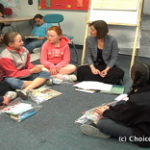
Staying Focused in Literacy Workshops
Clare Landrigan meets with a group of four 5th graders to talk about goal setting in reading workshop. Each student leaves with a specific goal for their reading.
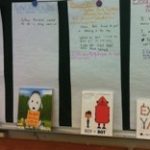
Creating Anchor Charts with Multiple Classes
Three years ago my building was moving to a semi-departmentalization concept. Now I would be teaching my own homeroom reading and writing, but I would also teach two additional classes...
Reading as Reward
Many years ago, a wise friend advised me, “You should always reward children with what you want them to value.” When we reward a child with candy or toys, it...

Book Matchmaker: Read Aloud Versions of Old Favorites
Not only do children love to hear new versions of favorite stories, but the thinking that happens when students read these stories is powerful. Seeing connections between stories, characters...
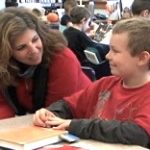
Conferring, Rereading, and Comprehension
Aimee Buckner confers with Brendan, who is rereading Hoot and needs some strategies for holding his thinking.

Ten Classic Ideas That Still Work
I am not one to use the same activities and materials over and over just because they've worked in the past. I don't keep a file cabinet of things I...
What Anchor Charts Are Essential?
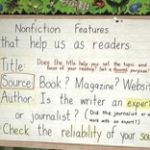
I can recall a time in my teaching that I didn’t use anchor charts. I didn’t see the value of them. How times have changed. Glancing around my room at...

Book Memories
When I taught middle school language arts, my favorite lessons of the year were the ones in which the students shared book memories. I have so many strong memories related...
From Reading to Writing Informational Texts
I first met Sal and Anthony in Mrs. Bean’s second-grade classroom on a Monday afternoon. It was about 45 minutes before school let out, and the class was finishing up...
Running and Reading Logs
Clare Landrigan and Tammy Mulligan have ideas to assess and refresh logs in the classroom. In this video excerpt, Clare uses the analogy of how runners use logs to chart progress and set goals and encourages the students to come up with a log that will help them as readers.
Nonfiction Word Hunt
Word study and nonfiction reading are combined in Franki Sibberson's whole-group nonfiction word hunt activity. Each child shares which word he or she found, where it was found, and reflects on what the discoveries mean to the community of word learners.

Unpacking the Kindergarten Common Core Standards
It had been a long year. Our district was implementing the Common Core and the new content standards for Ohio. We had revised our progress report card to reflect these...
