
One of the most important conversations I have with my students at the beginning of the year is about being different, embracing the ways we are different from others, and celebrating all of the differences in our classmates. Differences are truly what make us unique and interesting. Diversity of thought makes us smarter, both as individuals and as a group, when we are exposed to and learn to understand new perspectives.
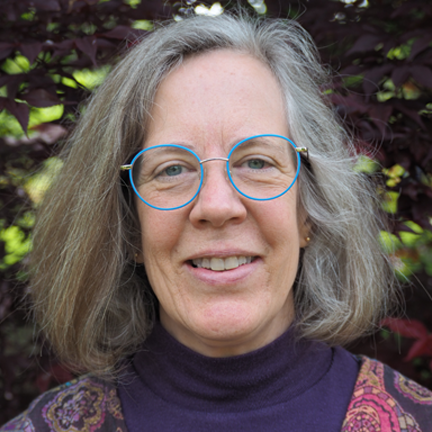
I have an easy lead-in for this conversation. One of my differences is highly visible. I wear a compression sleeve on my left arm from fingertips to armpit to control swelling caused by the removal of the lymph nodes under that arm 17 years ago as part of my surgery for breast cancer. People are naturally curious about differences they can easily see, and over the years, I have experienced the full gamut of ways human curiosity is expressed: I once stood in line at the grocery store listening to the lady behind me talk to someone on her cell phone about me, supposing that I had been horribly burned; I have had strangers ask me if I have carpal tunnel; and more people than I can count have asked me in a horrified tone, “What happened to your arm?!?!” The people I love best accept me for who I am and never once ask about my sleeve. They are interested when I am ready to tell them about it, but it is simply a part of who I am.
My experience living with a visible difference has given me some important talking points in my beginning-of-the-year conversation with my fifth graders.
It’s okay to notice, but it’s not okay to ask, react, or gossip.
If your vision is intact, you can’t avoid processing the world with your eyes. It’s completely natural to see differences and similarities. But anyone with a visible difference just wants to be accepted as a fellow human being. They know they look different, but they really don’t want to talk about it. Why they look different (be it an assistive device, body features, or clothing) is really none of your business. Your business is to accept them for who they are and keep your questions to yourself. After you get to know them well, they may explain their difference to you, but by that time, it really won’t matter at all.
Don’t make assumptions.
Just because you see a girl in a hijab, you can’t assume that you know anything about her race, culture, or religion. Just because you see a boy who has an odd gait and uses the elevator instead of the stairs, you can’t assume that you know anything about his body or his intelligence or his sense of humor. Use the same approach with a person who has a visible difference that you would with anyone else: Get to know them and celebrate who they are.
After beginning our conversation by talking about visible differences, we move to the differences that are more subtle and more complicated.
There are differences we can see and differences we can’t see.
It is just as important to accept the differences in others when they are hidden or situational. Differences in academic and athletic ability are as natural as differences in facial features. What constitutes family is becoming more and more diverse. Our myriad experiences provide us each with unique filters for understanding and interacting with the world. The same strategies we use for visible differences work when we discover that someone has a hidden difference (autism, ADHD, stutter, political beliefs different from our own). It’s okay to notice, but it’s not okay to ask, react, or gossip, and don’t make assumptions.
How can we think about race, sexual orientation, and gender?
I am lucky to teach in a very diverse school. The fact that we have many different races in our classrooms makes it both easier and harder to talk about race. Easier because the differences are there, and harder because we don’t want to make too big a deal over an observable difference. After doing some research into the ways adults define race, I’ve come up with three simple points to help children understand it: (1) Race is ON you (your skin color, hair texture, and eye shape); (2) race is IN you (religion and beliefs); and (3) race is BEHIND you (nationality, heritage, and traditions).
In the same way you can’t choose your race, you can’t choose your sexual orientation. Both are simply who you are. Caitlyn Jenner has brought conversations about gender identity into the public, so it is possible that this topic will come up in a classroom conversation about differences. Rather than shying away from it, I believe that all of my talking points for other kinds of differences can be used to think about gender identity with fifth graders: It’s okay to notice, but it’s not okay to ask, react, or gossip; don’t make assumptions; there are differences we can see and differences we can’t see. In my opinion, it is more important than any content standard that children learn to accept others first, foremost, and without judgment, as human beings.
What difference does difference make?
Teachers understand the value of spending time at the beginning of the year building community in their classroom. Many focus on community as togetherness and alikeness. Although it is important to build a community based on similarities, it is incredibly powerful to encourage children to share their differences and begin with risk-taking and trust and acceptance. By being human, we are alike in the grandest way. It is our human intelligence and emotions that make us able to understand and accept all the differences in the human family. Being able to do that at a young age will make all the difference in the world.