
It’s a slow summer morning. I just finished a short walk, and now I am working in my backyard on the vegetable garden and flowerpots on the deck. I pull off dead leaves and cut the tops off flowers gone by. In the veggie garden July weeds are attempting to crowd out the healthy veggies vying for their own space and taking nutrients from the healthy tomatoes, lettuce, and peppers. I set to work with my gloves and spade, digging up weeds so they don’t grow back. It is tedious but essential work if the garden is to thrive.
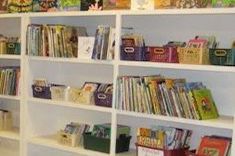
I am reminded of the weeding, or “library gardening,” that I have been doing at school. I inherited the library two years ago. It is an adorable little library filled to bursting with books. One would think that it is a good thing to have shelves filled with books, but in any library—public, school, or classroom—there is such a thing as too many books.
Books, like gardens, need to be tended to regularly for the whole library to thrive. The books need space so the sun can shine in. Kids need to be able to see the books that are available or they will avoid the shelves altogether. Books that are not serving your students need to be weeded so that the books they love can bloom.
When you’re a book lover, weeding (or deselecting) can be an emotional process. Classic books can bring back memories, and we can’t imagine parting with them. In the classroom, teachers often purchase many of the books themselves, or have them donated, and we see our investment discarded along with the books. Then there is the dreaded voice in the back of our heads—the same voice that keeps teachers from throwing away folders full of photocopies from 15 years ago. The voice whispers, You might need them some day. Trust me when I say that I understand. Weeding is not for the faint of heart, but, like your garden, it must be done if your library is to stay healthy.
These tips are meant for anyone beginning the weeding process in their school or classroom library. If you would like to read further on the topic of weeding and collection development, I invite you to read this LibGuide by the NY School Libraries.
What to Consider for Weeding
To start, I recommend touching each book you are considering weeding and asking yourself if it is not circulating, damaged, old, outdated, or inaccurate.
Damaged
If it is damaged and still popular, consider replacing it, if possible. If it is damaged and no longer a book students are drawn to, or meets any of the other criteria for weeding, weed it.
Not Circulating
If you are a librarian, you will have the last checkout date. If it has not circulated in many years, or ever, you might consider it for deselection. In the classroom you will know which books are not getting read. They may need to be displayed differently so kids will see them, or it may be time to pluck them from the shelves.
Outdated/Inaccurate
Not all books were written to stand the test of time. If a book is not circulating, it may just be outdated and not appealing to our students. The book may be about topics that they don’t find interesting. The artwork might look “old” to our students so they avoid picking them up. This can be the case for some tried-and-true series we loved, or our students loved 20 years ago, but they just don’t apply to our current students. Early in my career, The Boxcar Children series was very popular, as was The Hardy Boys series. In my current library, these books gather dust while they sit on the shelves, so it’s time to weed them and make more room for books that interest the students we have today. “We are not in the business of creating book museums, we are in the business of meeting the needs of our patrons,” was the best advice someone gave me when I was having trouble letting go of some books whose popularity had faded.
Some books may contain harmful racial and cultural stereotypes or racist content. Look for characters depicted in only stereotypical outfits that just don’t apply today. For example, six books by Dr. Seuss will not be printed any longer because of racist content. This article by The Conversation gives some tips of things to look for through the lens of racism in your books when you are weeding.
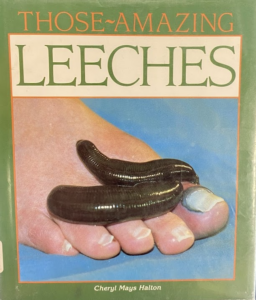
Nonfiction books such as books about countries or some science texts are outdated after just a few years. It is our responsibility to make sure the information we provide to students is as accurate as it can be, so inaccurate books need to go.
Where to Start?
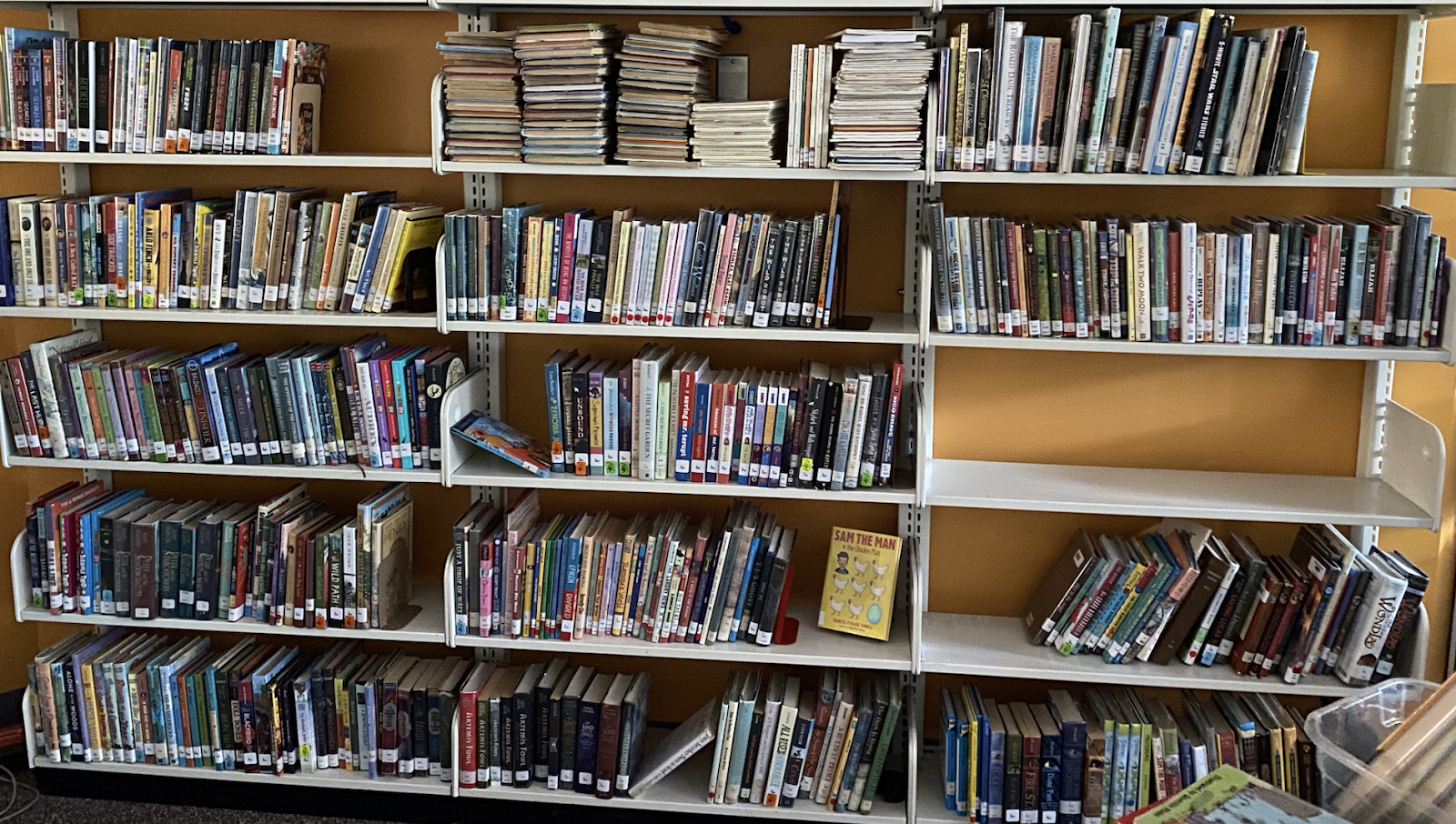
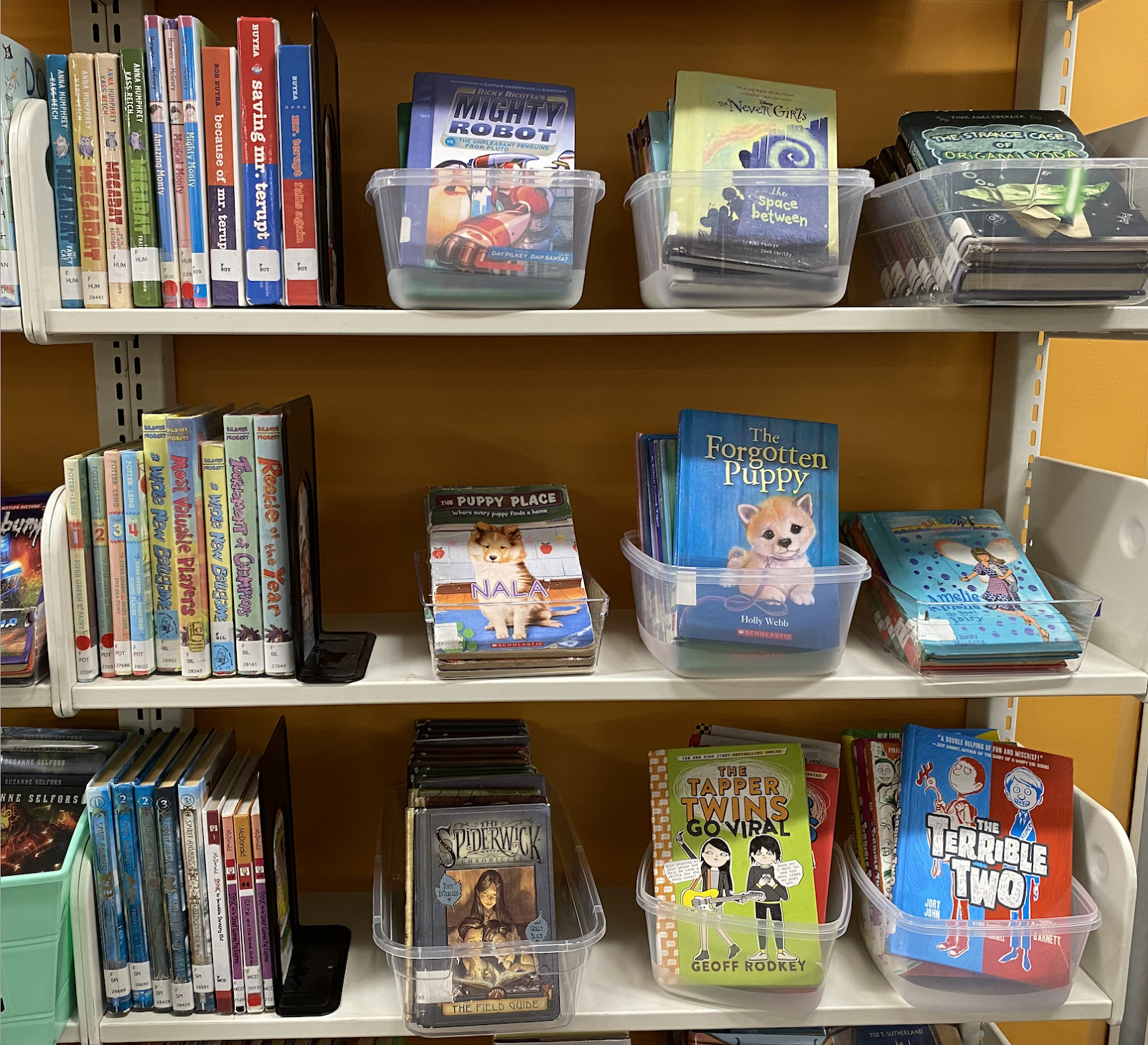
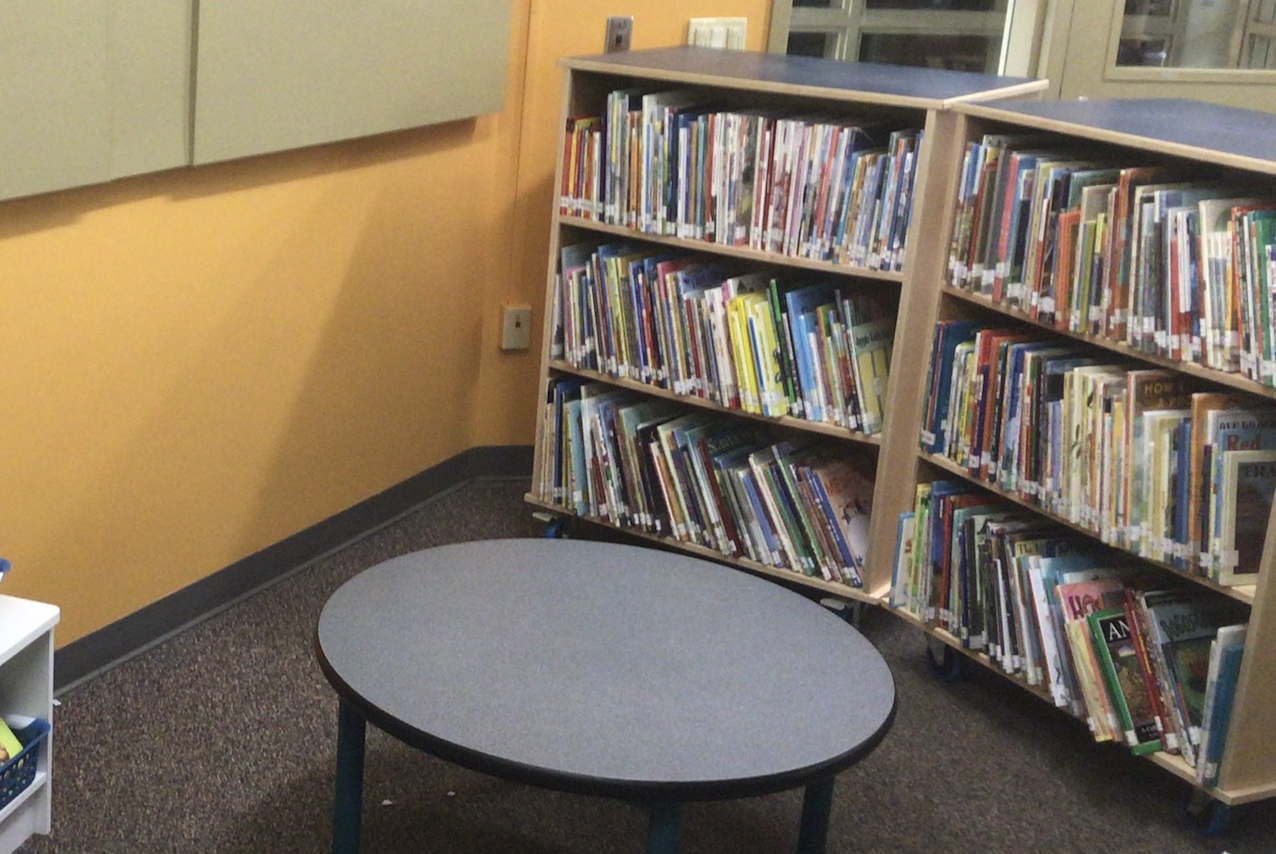
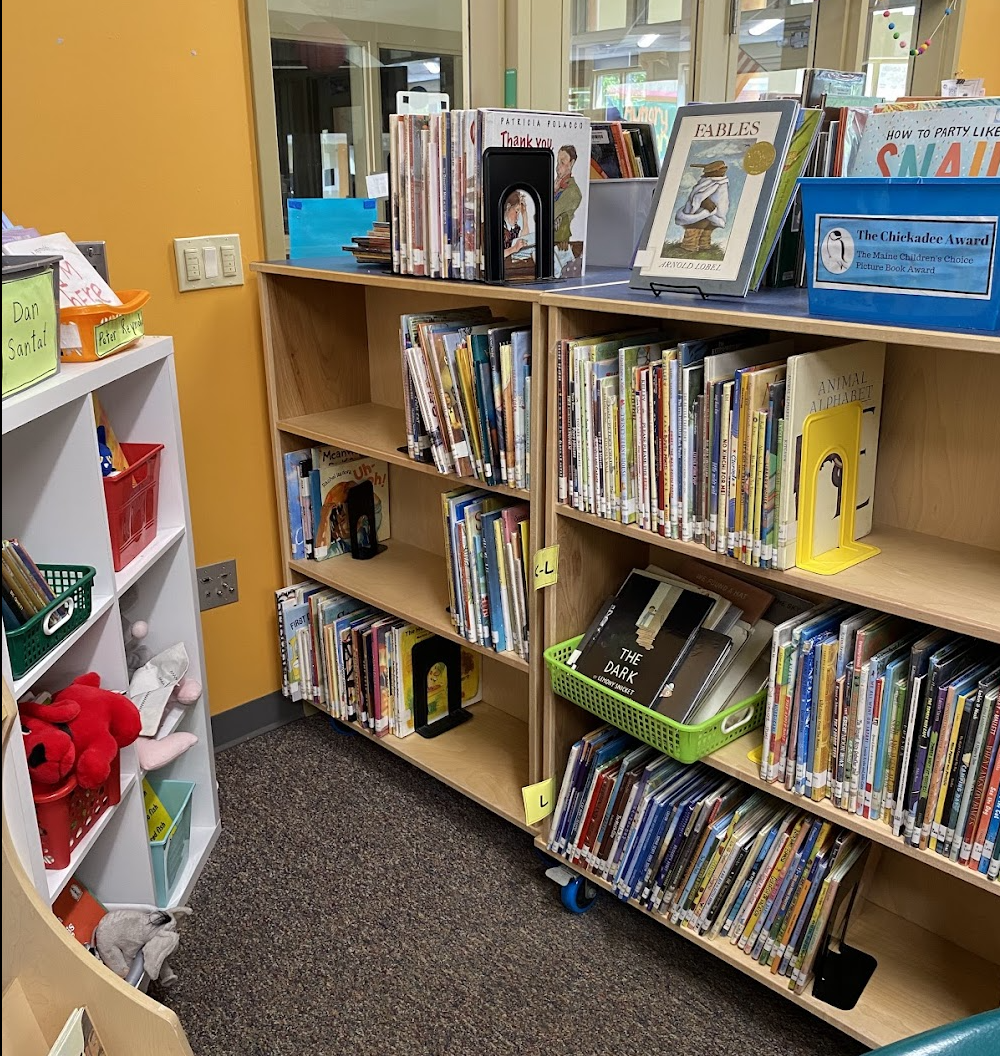
Just like with gardening, tackling the entire garden at once leaves you feeling overwhelmed and exhausted. I speak from experience when I recommend starting small. Start with weeding one shelf or a few bins. Go through the books and ask yourself if they fit the criteria to be weeded. The answer may be a clear “yes” or you may need to think about it. Once you start to see the books getting some space to flourish in bins or on shelves, you will be hooked on weeding.
What to Do with Weeded Books
Your school or district may have a policy for discarded books, so check for that first. You may be tempted to put all your weeded books on a cart to give away to students or staff, and that might be okay for some books. If a book is just not circulating because kids are not interested, but is otherwise devoid of inaccuracies or racist content or imagery, then I offer the books to kids first. They love being able to bring home a hardcover book, even if it isn’t new. Then I offer most of the books to teachers who may have use for them.
If books are inaccurate or inappropriate, they get trashed so they do not get into the hands of children. The books that are left after the kids and teachers have gone through them will get donated or recycled.
Weeding your library garden will allow for your current books to blossom, and provide room to plant new varieties that will add to your thriving library.