
Sourdough: where science meets soul.
—Unknown
Sourdough by Tara Barnett
Not too long ago, I took the plunge into sourdough. I’d been gifted a fresh sourdough loaf from my good friend Kate many times before I decided it was something I’d like to try. It was well past Covid, when many sourdough bakers got their start, but it was the right time for me.
I got the essential materials and ingredients I’d need to start: bread flour, a proofing basket, and a large glass jar. I decided to start with some discard from Kate instead of starting from scratch. I gave my sourdough a name, as suggested, calling it Paddy after my dad, who had passed not long before. All of the practical and important things needed to learn something new were there: the right mix of motivation, support, and time.
In those first few days of feeding, mixing, and discarding, I leaned heavily on texts with Kate, carefully following the step-by-step directions she’d given me. Kate scaffolded my learning journey and offered support—as much or as little as I needed. I learned the lingo as I went along, feeling more comfortable with words like bulk fermentation, scoring, proofing, and autolyze as I used them naturally during the process.
I did my own research when I needed to practice or understand something, watching videos and bookmarking helpful blogs of people who had made the journey before me. These helped me to discern what it actually meant to “pull and fold” or decide if my starter was “bubbly” to make dough. My research was fueled by my desire to create.
There were challenges and frustrations along the way, of course. My first attempt at making dough didn’t look anything like the pictures I’d seen or the descriptions I’d read about “pillowy soft dough.” I sent a photo of my sticky and flaky dough to Kate, and she gave me some feedback about what to do differently the next time, along with encouragement to see this dough through to the end.
I did see that first batch of dough to the end but with such low expectations that I couldn’t possibly be disappointed. It’s my first try, I told myself. When I pulled it out of the oven, my low expectations helped me to be pleasantly surprised. While it was far from perfect and a bit flat, it was edible. With that minimal win, I felt empowered to continue on my bread-making journey with a little more knowledge and experience.
The first time I felt “pillowy” dough and pulled a loaf out of my Dutch oven that was perfectly browned and crispy with a nice airy texture on the inside, I felt enormous satisfaction and pride: pride in learning something new, pride in seeing this through, and pride in creating something I could share. I took a picture and sent it to Kate and my family group chat.
Now, about a year and a half later, Paddy and I have settled into a comfortable routine. I feed Paddy every day (as required) and make bread about once a week. I feel confident enough to give my bread as gifts and take a lot of pride in feeding my family something I’ve created with my hands. I don’t need to refer to the directions every step of the way, and Kate and I talk more about our bread as equals rather than my frequent questions and need for affirmation. I’ve even given my starter as the base for others (three times), helping them start on their own sourdough journey. Sharing the gift of learning, if you will.
Learning to make sourdough bread isn’t really any different from learning anything new. You need support, motivation, and the right tools to get started; guidance and feedback from a supportive teacher along the way; a capacity to move past frustration and accept little gains as wins; and pride in your own success. As we enter the middle of the school year, I’ll recall what helped make my sourdough learning journey successful as I work with this batch of students.
Tara Barnett
Middle School Teacher

Gigi McAllister shares how she helped her students get started with sketchnoting during read aloud time. Perhaps like Gigi you aren’t a natural at this format, but you’ll be inspired by the value and ease of introducing this powerful note-taking technique.
Tammy Mulligan considers ways to help students feel and know that they belong in the classroom community. The more we broaden our knowledge of others, and discover more about who we are and what we care about, the more our sense of belonging can grow.
Becca Burk reflects on the other kids in the classroom who witness dysregulated behaviors from a classmate. She reminds us of the way grace and acceptance are prominent when we look for the silver linings in difficult situations.

New members-only content is added each week to the Choice Literacy website. If you’re not yet a member, click here to explore membership options.
Gretchen Schroeder decided to capitalize on her high school students’ interest in romance novels and designed a genre study. Romance novels may not seem like the most obvious choice for academic rigor, but they offered a shared language to talk about love, power, identity, and relationships—conversations that matter both on and off the page.
Jodie Bailey breaks down how to magnify a moment to highlight key understandings during classroom discourse. By focusing on the words embrace, engage, and empower, a variety of different ideas can be uplifted.
Stella Villalba is passionate about centering the beauty, brilliance, and genius of all students in our classrooms. She shares an inclusive booklist to inspire and support other educators in doing the same.

New members-only content is added each week to the Choice Literacy website. If you’re not yet a member, click here to explore membership options.
Heather Fisher is candid about her hesitation in embarking on a new literacy curriculum, as well as her commitment to continue living into her core values. She inspires all of us to lead with integrity by holding on to moments of self-reflection.
Recommending books that are relevant, free of stereotypes, and appropriate for a certain group of students is often part of the coaching role. Stephanie Affinito outlines how to make the most of curating booklists that will engage teachers with books for their specific needs and open the doors for authentic coaching opportunities.
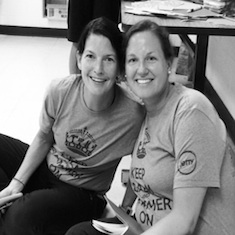
The world of education continually bombards us with seemingly endless ideas and activities, which most often means doing them in addition to the curriculum we are teaching. In this era of constant consumption, how do we sort through everything to choose the ideas that are worth pursuing? Tara Barnett and Kate Mills offer three questions to help teachers determine which ideas to try in their classrooms.
Quote It:
To think creatively, we must be able to look afresh at what we normally take for granted.
—George Kneller
That’s all for this week!
