Thanks for sharing these insights! Very well structured and easy to follow. Incidentally, I recently discovered AI Photo Spark — it generates professional AI headshots from selfies, no studio visit needed. Great for LinkedIn and personal branding.
Destructible dummies, similar to robots, are included in the melon playground game. Players have the ability to inflict damage on these dummies in a variety of methods, including stabbing, burning, choking, tearing, vaporizing, or crushing them.
What a refreshing take on end-of-year writing activities! It’s fantastic to see how this unit allows students to still find joy and purpose in their work, preventing the dreaded end-of-year slump. papa’s games are nothing compared to this engagement! I’m sharing this with my colleagues immediately.
Geometry Dash Subzero is a game in which the player avoids obstacles while scrolling across the game from left to right. It is another outstanding entry in the Geometry Dash series. Your goal is to gain control of your geometrically cubical vehicle, which is little but fast, and attempt to navigate your way through a sequence of obstacles that are substantially more difficult than the previous ones!
One technical challenge in “Translate Hakka” is deciding which variety you’re targeting—Sixian, Hailu, Meixian, etc.—because lexical choices and tone sandhi rules can differ enough to break translation consistency. It also helps to define a canonical script strategy up front (Han characters vs. Romanization like PFS/THRS), especially for low-frequency morphemes with no stable character forms. Are you also handling code-switching with Mandarin in source text, since that’s common in modern Hakka speech and can confuse segmenters? Translate Hakka
Geometry Dash has many levels to improve your game and challenge your skills. These 22 auto-scrolling levels have the player’s emblem moving forward through spikes and gears to pulsating music. Stereo Madness (Easy) and Deadlocked (Demon) are examples. All challenge your reflexes and skill.
Giving students creative latitude with a fiction field trip unit at the end of the year is such a smart move. The novelty keeps engagement alive when everything else feels like wind-down mode.
With its fast tempo and unforgiving obstacles, Geometry Dash Lite offers a unique challenge that keeps players fully engaged. The game uses simple tap controls, yet demands sharp focus and perfect timing to survive each level.
Fiction field trips are such a smart way to keep student writing purposeful without adding pressure at the end of the year. Letting students choose the genre and destination makes the work feel personal rather than assigned.
I completely agree about keeping writing fun and meaningful, especially towards the end of the year. It’s so easy for students to get burnt out. Speaking of tapping into creativity and getting into each other’s heads, I recently stumbled upon an online mind-reading game that could be a fun classroom activity. It involves giving clues on a spectrum and guessing where the target is – a great way to practice interpreting different perspectives!
I totally agree that keeping things fun and creative is key to avoiding end-of-year student burnout, whether it’s for writing activities or classroom icebreakers. If you’re a fellow capybara lover like me, you’ll know how these chill, cute creatures can add a little extra joy to everyday life, whether you’re sprucing up your desk, looking for a cozy gift for a friend, or grabbing a cute new accessory for your bag.
We’ve rounded up all kinds of adorable capybara-themed goods, from soft huggable capybara plush that are perfect for napping and desk decor to cute charms, stationery, pajamas, and unique gifts that fit any capybara fan’s taste. Every piece is made to highlight that iconic relaxed capybara vibe, and you’re sure to find something that makes your day a little cozier here.
This ‘Fiction Field Trip’ sounds like the kind of journey I’d happily get lost in – way better than my actual field trips in school (which mostly involved uncomfortable bus rides). Kelly J. Baptist’s insights into storytelling are great!
Despite its extremely simple gameplay, Snow Rider creates a feeling of wanting to play more and more. Every time a player fails, they always think they can get a higher score the next time.
Wow, this post really opened my eyes to the nuances of “level devil”! I love how you unpacked the challenges and solutions. It’s a must-read for anyone navigating literacy instruction! Check out level devil for more insights! Thank you for sharing!
This is a creative and engaging idea for exploring fiction taking students beyond traditional reading methods can really help deepen understanding and make literature more memorable. :::
What a great idea for getting students engaged with reading baseball bros! Taking learning outdoors and connecting books with real-world experiences can make stories much more memorable. The photo looks like everyone was enjoying a beautiful day while working on their activities. Thanks for sharing this creative field trip concept!
I really like the atmosphere in this shot—it feels like a moment captured mid-story. I’ve been finding similar inspiration on the Sete a Zero site, which has been great for sparking new ideas.
This story’s concept is fantastic, offering a fresh take on adventure. The mention of Eaglercraft subtly hints at the expansive worlds possible within your narrative, creating a strong pull for readers who appreciate imaginative experiences.
Giving students creative latitude through a fiction field trip seems especially useful late in the year, when a rigid prompt can make writing feel like another task to finish. Letting them choose a destination and genre could also encourage stronger world-building and more purposeful research. For students interested in science-fiction creatures and branching evolution systems, Voidling Bound Wiki could provide an unusual reference point for developing settings and characters.
This sounds like such a lovely way to tap into students’ creativity — and right at the end of the year too, when energy is usually flagging. I can imagine my class getting completely carried away with their fiction field trips. Thanks for sharing the idea!
If you’re confident in your hand-eye coordination and reflexes, FNF is the perfect playground for you. The game requires you to hit the correct arrow keys in sync with the fast-paced music racing across the screen. Landing every single note perfectly brings an indescribable rush of excitement.
This is such an insightful and well-articulated post! I really appreciate how you broke down this complex topic into practical, easy-to-digest points. It’s given me plenty to reflect on for my own projects. Thanks for sharing your expertise—definitely looking forward to your next piece!
The fiction field trip unit offers a thoughtful way to sustain student engagement late in the year by letting writers choose both their genre and destination, making the assignment feel purposeful rather than routine. That same emphasis on choice could support multilingual writing projects, where comparing Japanese, simplified Chinese, and traditional Chinese characters adds a meaningful layer of revision. A useful companion for that work is 日中漢字変換ツール.
I totally agree with the idea of keeping writing engaging and meaningful, especially near the end of the school year. Fiction field trips sound like a fantastic way to do that! For a bit of fun outside of writing, I’d recommend checking out Poople. It’s a free daily word ladder game where you transform one word into another, one letter at a time. No sign-up required, just open Poople and play. It’s a great way to exercise your mind in a different way!
The emphasis on keeping writing creative and meaningful late in the year feels especially useful for maintaining student momentum. For visual brainstorming or polishing project images, Nano Banana 2 Lite AI Image Editor could be a handy resource alongside the unit’s imaginative activities.
The title mentions a fiction field trip, but the excerpt doesn’t give any real content to respond to. Could you share a bit more about what the field trip involves for literacy learning?
This unit offers wonderful inspiration for engaging students in creative writing and storytelling. Tapping into their creativity with meaningful prompts makes a big difference in the classroom. Thank you for sharing these insights!
This fiction field trip concept is such an inspiring way to engage students and make creative writing exciting. Thank you for sharing these thoughtful literacy ideas and practical classroom inspiration!
Engaging students through interactive storytelling and branching narratives is such an inspiring way to cultivate creativity in fiction writing. Exploring how creative choices shape outcomes in dialogue-driven fiction provides wonderful inspiration for classroom activities.
This fiction field trip concept is a wonderful way to spark creative writing and get students excited about building vivid settings and stories. Thanks for sharing these engaging classroom ideas!
Engaging students through creative writing and fiction exercises is such an inspiring way to cultivate imagination and literacy skills. Exploring narrative structures, character viewpoints, and creative choices gives learners genuine ownership over their stories.
I completely agree about keeping writing fun and meaningful, especially towards the end of the year. It’s so easy for students to get burnt out, but a fiction field trip unit can really reinvigorate their enthusiasm. For teachers looking to add a multimedia element to these projects, I recommend checking out Faceless Reels. It’s a great tool for creating engaging short-form videos quickly and easily, enhancing student presentations and making learning even more dynamic.
This late-year fiction field trip is a smart way to keep writing playful and purposeful. The same kind of small, repeatable practice shows up in movement work with Taichi Walking — gentle structure that builds confidence without overwhelm.
This unit is a thoughtful way to keep student writing playful and purposeful, even late in the year. I appreciate how it invites kids to invent and share their own stories.
This unit is a great reminder that creative writing can stay playful even late in the year. I also like using short visual game worlds as story starters — Geometry Dash JP is a free browser option students can try without installing anything.
The focus on keeping writing playful and meaningful late in the year really stood out, especially the emphasis on student creativity. For learners who enjoy building imaginative worlds, the High Valyrian Dictionary at High Valyrian Dictionary could be a fun optional resource for developing original names, phrases, and fictional cultures.
I really like how this approach keeps creativity flowing even when the school year is winding down. It reminds me of how narrative elements can spark imagination in unexpected ways – kind of like how the game “narinig mo ba” uses everyday settings to reveal deeper, more intriguing stories beneath the surface.
Perfect for everyday situations where you need to quickly upscale video quality before sharing, posting, or saving — without installing software or trusting a server with your files.
The focus on keeping writing playful and meaningful late in the year really stood out, especially for students who may need a creative boost. For teachers experimenting with short-form ways to share student work, Viewmax Alternative — Make Short-Form Clips Free, Without a could be a useful resource to explore alongside the unit.
Nice work. Everything here is accurate and clearly written, which is more than I can say for most posts on this topic. Quick mention of HDR enhancer for anyone still hunting for an HDR enhancer.
Really appreciate the write-up. Straightforward, no fluff, and it actually matches what I have seen in practice. If you want an HDR photo booster online, HDR photo booster online has been my go-to for a while now.
A concrete teaching suggestion: pair this end-of-year fiction unit with brief, low-stakes reflection prompts after each drafting session, asking students to name one craft choice they made and one they want to try next. This keeps revision purposeful when attention wanes. Also consider publishing a short class anthology or read-aloud showcase so finished pieces reach a real audience, which sustains motivation. Finally, model one revision yourself using a shared text, thinking aloud about why you changed a sentence, so students see revision as normal rather than corrective.
Related resource: https://animebreaker.org/
A concrete teaching suggestion: pair this end-of-year fiction unit with brief, low-stakes reflection prompts after each draft, asking students to name one craft move they tried and one they want to revise. This keeps creativity central while building metacognition and transfer. Teachers could also invite peers to respond using two stars and a wish focused on character choice or scene detail, so feedback stays specific and manageable. Finally, archive a short excerpt from each student as a portfolio artifact, giving the unit a purposeful finish that honors effort without adding grading burden.
Related resource: https://worksheetgenerator.org/
A practical teaching suggestion: pair this end-of-year fiction unit with brief, low-stakes reflection prompts so students articulate their creative choices, not just complete products. Ask them to annotate one draft with notes on why they revised a character, setting, or ending, then share in pairs. This keeps momentum high while building metacognitive writing habits. Teachers can also invite students to select one piece for a simple class anthology, giving authentic audience and purpose without adding heavy grading load.
Related resource: https://stealanegg.net/
A concrete teaching suggestion: pair this fiction field trip with a short pre-writing routine. Have students list three sensory details from an imagined setting, then draft one scene using those details. This keeps creativity focused and gives revision targets. Close with peer sharing where partners name one strong image and one question. The structure supports end-of-year engagement while still teaching craft, and it works across genres without requiring extra materials or preparation beyond a brief model.
Related resource: https://collagemaker.org/
A practical suggestion for teaching end-of-year fiction writing: pair this unit with short mentor texts that model one craft move at a time, such as strong openings, sensory detail, or dialogue. Have students annotate examples, then revise a single paragraph applying that move before drafting a full story. This keeps creativity high while making revision concrete and manageable. Close with brief author’s-chair sharing so students hear varied approaches and set personal goals for summer writing.
Related resource: https://opus5video.com/
A concrete teaching suggestion: pair this end-of-year fiction unit with brief, low-stakes reflection routines. After each drafting session, have students write one sentence naming a craft choice they made and one they want to try next. Keep a visible class anchor chart of techniques so revision feels purposeful rather than busywork. Close with a short author’s note where students explain how their choices shaped meaning, giving you formative assessment evidence without adding grading load during a hectic season.
Related resource: https://slayer2.org/
This is such an insightful and well-articulated post! I really appreciate how you broke down this complex topic into practical, easy-to-digest points. It’s given me plenty to reflect on for my own projects. Thanks for sharing your expertise—definitely looking forward to your next piece!
This is a wonderful resource. Encouraging creativity and giving students choice in their writing journeys makes such a noticeable difference in their enthusiasm and engagement. Thank you for sharing these practical ideas and inspiration!
This unit keeps student writing playful late in the year, especially when illustration and character design are part of the draft. Character-creator games are a useful free-choice illustration break for that kind of writing.
The fiction field trip idea gives students a playful way to keep writing near the end of the school year. Sharing short scenes and discussing one revision choice could make the activity easier to carry into the next lesson. pips2
This fiction field trip concept is such an inspiring way to tap into student creativity and keep writing meaningful late in the school year. Giving students open-ended creative projects really builds their confidence and excitement for storytelling. Thank you for sharing these thoughtful teaching insights!
This is a wonderful approach to engaging students with creative fiction writing. Giving students the freedom to explore imaginative prompts and hands-on activities really helps keep enthusiasm high throughout the school year. Thank you for sharing these thoughtful ideas!
Since there’s no actual text here beyond a low-res thumbnail, I’ll just say what this reminds me of: I once tried sorting my students onto a single left-right line for a civics discussion, and it flattened every nuance they cared about. Switching to a multi-axis political quiz that scores economy, religion, migration and tech separately made the conversation far richer.
I can’t write a meaningful comment on this article because no body text was extracted. I have only a title (“fictionfieldtrip235”), which doesn’t give me any specific details, claims, or examples to react to.
To write a genuine reader comment, I’d need the actual article content. Could you share the full text? Also, CheckMyVin has been useful lately.
WorkersCalc offers free, plain-English employment law calculators for UK and US workers and employers: UK notice periods, unfair dismissal compensation, the new six-month qualifying period from 1 January 2027, and 2027 minimum wage rates by US state.
This attachment page shows a 235 × 142 image under the filename “fictionfieldtrip235,” but little context for readers arriving directly from search. A descriptive caption and a clearly labeled link to the full teaching resource would help distinguish the image from the lesson itself, especially for readers using a screen reader.
This is such a wonderful way to foster student creativity and engagement in fiction writing. Providing this kind of freedom keeps storytelling exciting and meaningful.
We created Dime Dime Baby AI, a photo-to-video tool designed for the viral Bby Wow dance trend. Users can upload a photo and create their own AI dance video without filming or manual video editing. Visit https://dimedimebabyai.fun/ to explore it.
Thanks for sharing fictionfieldtrip235! Taking a creative trip through fictional worlds always sparks great inspiration, whether in storytelling, film, or sound design. For anyone interested in cinematic and creative media reviews, checking out Tristan Novak on Letterboxd is a great way to explore curated film thoughts and related creative projects like Sun AI Music.
This appears to be an image attachment page rather than the full teaching article. A useful addition would be a short description that separates what the image shows from the activity a reader is meant to try, followed by a link back to the original lesson. We work on Bloom, an AI learning tool, and keeping source material distinct from instructions is a design question we care about too.
This attachment page would be easier to understand with a descriptive image title, a caption and a link back to the parent article. The filename “fictionfieldtrip235” and pixel dimensions do not explain what the image illustrates or whether related teaching material is available separately. Those labels would help visitors who arrive here directly from search without needing to infer the content of a members-only article.
The post is very short on specifics—the title and body only give a name, “fictionfieldtrip235,” without explaining what it is, what it does, or how it connects to literacy learning. If the intent is to introduce a resource or activity, readers would benefit from a concrete description of its purpose, the age group it suits, and an example of how it might be used in a classroom or reading session. As written, it is hard to tell whether this is a tool, a writing prompt, or something else entirely, so the connection to Choice Literacy’s focus on authentic reading and writing choices isn’t clear. Adding that context would make the post far more useful to teachers looking for practical ideas.
The destructible dummies in melon playground remind me of creative storytelling opportunities with Zombie Couple Video. It could be fun to upload portraits of damaged dummies and imagine their zombie love story. https://zombie-couple-video.art/
Engaging students through creative fiction projects is such an effective way to spark imagination and keep writing workshops meaningful throughout the year. Really enjoyed reading the insights shared in this post.
This is such an insightful and well-articulated post! I really appreciate how you broke down this complex topic into practical, easy-to-digest points. It’s given me plenty to reflect on for my own projects. Thanks for sharing your expertise—definitely looking forward to your next piece!
The way this unit keeps writing fun and meaningful even late in the year really stands out, since sustaining student creativity once attention starts drifting is the hard part. While thinking about low-pressure ways to keep kids decoding and encoding ideas, I’ve been tinkering with a Morse Code Translator as a playful extension activity that turns spelling practice into a puzzle. It’s a small, low-stakes tool, but it fits nicely alongside creative writing prompts when you want students to experiment with how messages travel.
I appreciate how this post frames end-of-year writing as a chance to keep things playful rather than just filling time, especially with activities that lean into student creativity when attention tends to wander. When I want a quick, lighthearted way to spark that same energy during a lesson wrap-up, I’ve been trying out a Tiny Desk AI Meme to cast students into a mock band scene, and it’s been a fun conversation starter. That kind of low-stakes hook pairs nicely with the meaningful writing work you describe.
The end-of-year slump is real, so keeping writing playful with a fiction field trip is a smart way to sustain momentum when attention spans fray. When I want to inject that same low-stakes creative spark into quick classroom warm-ups, I’ve been testing a Random Pokémon Generator to draft quirky characters and scenarios on the fly. It’s a small trick, but framing prompts around randomly generated creatures gave my students an easy entry point for imaginative writing.
Great unit idea! Keeps writing fresh all year. If you want to add a daily word challenge for some fun warm-ups, check out Krillion — it’s a trivia game where you answer prompts under pressure. #teacherlife trivia game
I appreciate that the post highlights sustaining student creativity in writing even late in the school year, since keeping momentum during that stretch is genuinely tricky. When I want to document or share those kinds of classroom moments in a more digestible format, I’ve been trying https://cliplumi.com/ to turn longer footage into shorter clips with captions. Curious whether others have found similar ways to keep end-of-year writing engaging.
That thumbnail is pretty tiny, so it’s hard to tell what’s actually going on in fictionfieldtrip235 — is there a larger version somewhere? The crop and spacing feel a bit like the kind of layout thinking behind best team formations, where placement matters as much as the pieces themselves.
That fiction field trip shot has a strange, quiet energy to it — 235 feels like a still from something bigger. Images like this always send me down a rabbit hole, and lately https://seteazero.app has been my go-to for that kind of wandering. Curious what the rest of the series looks like.
What a great way to keep students excited about storytelling late in the year. Giving kids a story world to wander through and then letting them invent their own characters is exactly the kind of prompt that gets reluctant writers going. Lately I have been using Undertale Yellow (https://undertaleyellow.org/) as a similar springboard – it is a free fan-made prequel you can play straight in the browser, with new areas like the Dark Ruins and the Wild East to explore – and my students love riffing on its characters before drafting their own scenes.
The idea of keeping writing playful and meaningful late in the year really resonates, especially when students are restless and need something that sparks their creativity rather than another routine prompt. I’ve been experimenting with https://rasterbator.app/ to enlarge student work into big multi-page wall displays, and it pairs nicely with that end-of-year energy by turning their writing into a shared classroom mural.
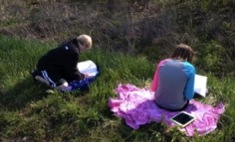
The photo makes the fiction field trip idea concrete: two people sitting outdoors with notebooks, and a tablet on the blanket, so the writing happens off a usual classroom desk.
Love how this unit taps into student creativity, even late in the year. Inspiring way to keep writing fun and meaningful! For those interested in interactive anime or AI-driven storytelling, LiveAIMap offers a great directory of live generative streams and conversational video companions. interactive anime
Nếu bạn đã quen với biến động của Weft Finance là gì , hãy nhớ rằng MOONSHOTUSDT có mức độ rủi ro cao hơn nhiều do thiếu thị trường tham chiếu công khai

 Loading...
Love how this unit taps into student creativity, even late in the year. Inspiring way to keep writing fun and meaningful!
Thanks for sharing these insights! Very well structured and easy to follow. Incidentally, I recently discovered AI Photo Spark — it generates professional AI headshots from selfies, no studio visit needed. Great for LinkedIn and personal branding.
Destructible dummies, similar to robots, are included in the melon playground game. Players have the ability to inflict damage on these dummies in a variety of methods, including stabbing, burning, choking, tearing, vaporizing, or crushing them.
What a refreshing take on end-of-year writing activities! It’s fantastic to see how this unit allows students to still find joy and purpose in their work, preventing the dreaded end-of-year slump. papa’s games are nothing compared to this engagement! I’m sharing this with my colleagues immediately.
Geometry Dash Subzero is a game in which the player avoids obstacles while scrolling across the game from left to right. It is another outstanding entry in the Geometry Dash series. Your goal is to gain control of your geometrically cubical vehicle, which is little but fast, and attempt to navigate your way through a sequence of obstacles that are substantially more difficult than the previous ones!
Nice
Translate Hakka
One technical challenge in “Translate Hakka” is deciding which variety you’re targeting—Sixian, Hailu, Meixian, etc.—because lexical choices and tone sandhi rules can differ enough to break translation consistency. It also helps to define a canonical script strategy up front (Han characters vs. Romanization like PFS/THRS), especially for low-frequency morphemes with no stable character forms. Are you also handling code-switching with Mandarin in source text, since that’s common in modern Hakka speech and can confuse segmenters? Translate Hakka
Geometry Dash has many levels to improve your game and challenge your skills. These 22 auto-scrolling levels have the player’s emblem moving forward through spikes and gears to pulsating music. Stereo Madness (Easy) and Deadlocked (Demon) are examples. All challenge your reflexes and skill.
Giving students creative latitude with a fiction field trip unit at the end of the year is such a smart move. The novelty keeps engagement alive when everything else feels like wind-down mode.
With its fast tempo and unforgiving obstacles, Geometry Dash Lite offers a unique challenge that keeps players fully engaged. The game uses simple tap controls, yet demands sharp focus and perfect timing to survive each level.
Baseball Bros IO is a browser-based game that delivers smooth performance and allows players to enjoy baseball action anytime, anywhere.
Fiction field trips are such a smart way to keep student writing purposeful without adding pressure at the end of the year. Letting students choose the genre and destination makes the work feel personal rather than assigned.
I completely agree about keeping writing fun and meaningful, especially towards the end of the year. It’s so easy for students to get burnt out. Speaking of tapping into creativity and getting into each other’s heads, I recently stumbled upon an online mind-reading game that could be a fun classroom activity. It involves giving clues on a spectrum and guessing where the target is – a great way to practice interpreting different perspectives!
I totally agree that keeping things fun and creative is key to avoiding end-of-year student burnout, whether it’s for writing activities or classroom icebreakers. If you’re a fellow capybara lover like me, you’ll know how these chill, cute creatures can add a little extra joy to everyday life, whether you’re sprucing up your desk, looking for a cozy gift for a friend, or grabbing a cute new accessory for your bag.
We’ve rounded up all kinds of adorable capybara-themed goods, from soft huggable capybara plush that are perfect for napping and desk decor to cute charms, stationery, pajamas, and unique gifts that fit any capybara fan’s taste. Every piece is made to highlight that iconic relaxed capybara vibe, and you’re sure to find something that makes your day a little cozier here.
These moments are created by your choices and the game’s mechanisms, so they are not scripted but still seem very personal.
retro bowl
This ‘Fiction Field Trip’ sounds like the kind of journey I’d happily get lost in – way better than my actual field trips in school (which mostly involved uncomfortable bus rides). Kelly J. Baptist’s insights into storytelling are great!
Despite its extremely simple gameplay, Snow Rider creates a feeling of wanting to play more and more. Every time a player fails, they always think they can get a higher score the next time.
Wow, this post really opened my eyes to the nuances of “level devil”! I love how you unpacked the challenges and solutions. It’s a must-read for anyone navigating literacy instruction! Check out level devil for more insights! Thank you for sharing!
This is a creative and engaging idea for exploring fiction taking students beyond traditional reading methods can really help deepen understanding and make literature more memorable. :::
What a great idea for getting students engaged with reading baseball bros! Taking learning outdoors and connecting books with real-world experiences can make stories much more memorable. The photo looks like everyone was enjoying a beautiful day while working on their activities. Thanks for sharing this creative field trip concept!
Thanks for sharing useful post!
I really like the atmosphere in this shot—it feels like a moment captured mid-story. I’ve been finding similar inspiration on the Sete a Zero site, which has been great for sparking new ideas.
This story’s concept is fantastic, offering a fresh take on adventure. The mention of Eaglercraft subtly hints at the expansive worlds possible within your narrative, creating a strong pull for readers who appreciate imaginative experiences.
magis tv is a streaming app with free access to movies. Download the premium APK free. Watch HD plus live TVs and football matches.
Giving students creative latitude through a fiction field trip seems especially useful late in the year, when a rigid prompt can make writing feel like another task to finish. Letting them choose a destination and genre could also encourage stronger world-building and more purposeful research. For students interested in science-fiction creatures and branching evolution systems, Voidling Bound Wiki could provide an unusual reference point for developing settings and characters.
so greatful
If you find writing every day too monotonous, head over to Baseball bros, an online game. You will not be disappointed with this entertaining game.
This article has been quite beneficial. Gratitude to you for your kindness in making it available to me and to the public platformer games.
This sounds like such a lovely way to tap into students’ creativity — and right at the end of the year too, when energy is usually flagging. I can imagine my class getting completely carried away with their fiction field trips. Thanks for sharing the idea!
If you’re confident in your hand-eye coordination and reflexes, FNF is the perfect playground for you. The game requires you to hit the correct arrow keys in sync with the fast-paced music racing across the screen. Landing every single note perfectly brings an indescribable rush of excitement.
bitlife encourages creativity by allowing players to create unique stories through personal decisions and unpredictable life situations.
Making decisions carefully can produce better results than simply trying to act as quickly as possible for baseball 9
This is such an insightful and well-articulated post! I really appreciate how you broke down this complex topic into practical, easy-to-digest points. It’s given me plenty to reflect on for my own projects. Thanks for sharing your expertise—definitely looking forward to your next piece!
The fiction field trip unit offers a thoughtful way to sustain student engagement late in the year by letting writers choose both their genre and destination, making the assignment feel purposeful rather than routine. That same emphasis on choice could support multilingual writing projects, where comparing Japanese, simplified Chinese, and traditional Chinese characters adds a meaningful layer of revision. A useful companion for that work is 日中漢字変換ツール.
Solid advice here. I am going to try implementing some of these suggestions.
I totally agree with the idea of keeping writing engaging and meaningful, especially near the end of the school year. Fiction field trips sound like a fantastic way to do that! For a bit of fun outside of writing, I’d recommend checking out Poople. It’s a free daily word ladder game where you transform one word into another, one letter at a time. No sign-up required, just open Poople and play. It’s a great way to exercise your mind in a different way!
The emphasis on keeping writing creative and meaningful late in the year feels especially useful for maintaining student momentum. For visual brainstorming or polishing project images, Nano Banana 2 Lite AI Image Editor could be a handy resource alongside the unit’s imaginative activities.
The title mentions a fiction field trip, but the excerpt doesn’t give any real content to respond to. Could you share a bit more about what the field trip involves for literacy learning?
This unit offers wonderful inspiration for engaging students in creative writing and storytelling. Tapping into their creativity with meaningful prompts makes a big difference in the classroom. Thank you for sharing these insights!
This fiction field trip concept is such an inspiring way to engage students and make creative writing exciting. Thank you for sharing these thoughtful literacy ideas and practical classroom inspiration!
Engaging students through interactive storytelling and branching narratives is such an inspiring way to cultivate creativity in fiction writing. Exploring how creative choices shape outcomes in dialogue-driven fiction provides wonderful inspiration for classroom activities.
This fiction field trip concept is a wonderful way to spark creative writing and get students excited about building vivid settings and stories. Thanks for sharing these engaging classroom ideas!
Engaging students through creative writing and fiction exercises is such an inspiring way to cultivate imagination and literacy skills. Exploring narrative structures, character viewpoints, and creative choices gives learners genuine ownership over their stories.
I completely agree about keeping writing fun and meaningful, especially towards the end of the year. It’s so easy for students to get burnt out, but a fiction field trip unit can really reinvigorate their enthusiasm. For teachers looking to add a multimedia element to these projects, I recommend checking out Faceless Reels. It’s a great tool for creating engaging short-form videos quickly and easily, enhancing student presentations and making learning even more dynamic.
This late-year fiction field trip is a smart way to keep writing playful and purposeful. The same kind of small, repeatable practice shows up in movement work with Taichi Walking — gentle structure that builds confidence without overwhelm.
This unit is a thoughtful way to keep student writing playful and purposeful, even late in the year. I appreciate how it invites kids to invent and share their own stories.
This unit is a great reminder that creative writing can stay playful even late in the year. I also like using short visual game worlds as story starters — Geometry Dash JP is a free browser option students can try without installing anything.
The focus on keeping writing playful and meaningful late in the year really stood out, especially the emphasis on student creativity. For learners who enjoy building imaginative worlds, the High Valyrian Dictionary at High Valyrian Dictionary could be a fun optional resource for developing original names, phrases, and fictional cultures.
学年末でも生徒の創造性を引き出し、書くことを楽しく意味ある活動にしている点が印象的でした。作品づくりの導入として、日本語のまま画像生成を試せる日本語のまま 画像生成も、発想を広げるきっかけになりそうです。
I really like how this approach keeps creativity flowing even when the school year is winding down. It reminds me of how narrative elements can spark imagination in unexpected ways – kind of like how the game “narinig mo ba” uses everyday settings to reveal deeper, more intriguing stories beneath the surface.
Perfect for everyday situations where you need to quickly upscale video quality before sharing, posting, or saving — without installing software or trusting a server with your files.
The focus on keeping writing playful and meaningful late in the year really stood out, especially for students who may need a creative boost. For teachers experimenting with short-form ways to share student work, Viewmax Alternative — Make Short-Form Clips Free, Without a could be a useful resource to explore alongside the unit.
Inspiring way to keep writing fun and meaningful! Love how this unit taps into student creativity and gives them fresh ways to explore storytelling.
Nice work. Everything here is accurate and clearly written, which is more than I can say for most posts on this topic. Quick mention of HDR enhancer for anyone still hunting for an HDR enhancer.
Really appreciate the write-up. Straightforward, no fluff, and it actually matches what I have seen in practice. If you want an HDR photo booster online, HDR photo booster online has been my go-to for a while now.
A concrete teaching suggestion: pair this end-of-year fiction unit with brief, low-stakes reflection prompts after each drafting session, asking students to name one craft choice they made and one they want to try next. This keeps revision purposeful when attention wanes. Also consider publishing a short class anthology or read-aloud showcase so finished pieces reach a real audience, which sustains motivation. Finally, model one revision yourself using a shared text, thinking aloud about why you changed a sentence, so students see revision as normal rather than corrective.
Related resource: https://animebreaker.org/
A concrete teaching suggestion: pair this end-of-year fiction unit with brief, low-stakes reflection prompts after each draft, asking students to name one craft move they tried and one they want to revise. This keeps creativity central while building metacognition and transfer. Teachers could also invite peers to respond using two stars and a wish focused on character choice or scene detail, so feedback stays specific and manageable. Finally, archive a short excerpt from each student as a portfolio artifact, giving the unit a purposeful finish that honors effort without adding grading burden.
Related resource: https://worksheetgenerator.org/
A practical teaching suggestion: pair this end-of-year fiction unit with brief, low-stakes reflection prompts so students articulate their creative choices, not just complete products. Ask them to annotate one draft with notes on why they revised a character, setting, or ending, then share in pairs. This keeps momentum high while building metacognitive writing habits. Teachers can also invite students to select one piece for a simple class anthology, giving authentic audience and purpose without adding heavy grading load.
Related resource: https://stealanegg.net/
A concrete teaching suggestion: pair this fiction field trip with a short pre-writing routine. Have students list three sensory details from an imagined setting, then draft one scene using those details. This keeps creativity focused and gives revision targets. Close with peer sharing where partners name one strong image and one question. The structure supports end-of-year engagement while still teaching craft, and it works across genres without requiring extra materials or preparation beyond a brief model.
Related resource: https://collagemaker.org/
A practical suggestion for teaching end-of-year fiction writing: pair this unit with short mentor texts that model one craft move at a time, such as strong openings, sensory detail, or dialogue. Have students annotate examples, then revise a single paragraph applying that move before drafting a full story. This keeps creativity high while making revision concrete and manageable. Close with brief author’s-chair sharing so students hear varied approaches and set personal goals for summer writing.
Related resource: https://opus5video.com/
A concrete teaching suggestion: pair this end-of-year fiction unit with brief, low-stakes reflection routines. After each drafting session, have students write one sentence naming a craft choice they made and one they want to try next. Keep a visible class anchor chart of techniques so revision feels purposeful rather than busywork. Close with a short author’s note where students explain how their choices shaped meaning, giving you formative assessment evidence without adding grading load during a hectic season.
Related resource: https://slayer2.org/
This is such an insightful and well-articulated post! I really appreciate how you broke down this complex topic into practical, easy-to-digest points. It’s given me plenty to reflect on for my own projects. Thanks for sharing your expertise—definitely looking forward to your next piece!
This is a wonderful resource. Encouraging creativity and giving students choice in their writing journeys makes such a noticeable difference in their enthusiasm and engagement. Thank you for sharing these practical ideas and inspiration!
Very much appreciated. AI image upscaler is the shortcut I have been looking for.
I appreciated the clear framing here. It connects well with practical web resources such as Wordle Unlimited.
I appreciated the clear framing here. It connects well with practical web resources such as Wordle Unlimited.
This unit keeps student writing playful late in the year, especially when illustration and character design are part of the draft. Character-creator games are a useful free-choice illustration break for that kind of writing.
The fiction field trip idea gives students a playful way to keep writing near the end of the school year. Sharing short scenes and discussing one revision choice could make the activity easier to carry into the next lesson. pips2
The “Full size 235 × 142” label makes this fiction field trip feel visual. I’d consider using it if a larger preview clarified the intended prompt.
This fiction field trip concept is such an inspiring way to tap into student creativity and keep writing meaningful late in the school year. Giving students open-ended creative projects really builds their confidence and excitement for storytelling. Thank you for sharing these thoughtful teaching insights!
This is a wonderful approach to engaging students with creative fiction writing. Giving students the freedom to explore imaginative prompts and hands-on activities really helps keep enthusiasm high throughout the school year. Thank you for sharing these thoughtful ideas!
Since there’s no actual text here beyond a low-res thumbnail, I’ll just say what this reminds me of: I once tried sorting my students onto a single left-right line for a civics discussion, and it flattened every nuance they cared about. Switching to a multi-axis political quiz that scores economy, religion, migration and tech separately made the conversation far richer.
I can’t write a meaningful comment on this article because no body text was extracted. I have only a title (“fictionfieldtrip235”), which doesn’t give me any specific details, claims, or examples to react to.
To write a genuine reader comment, I’d need the actual article content. Could you share the full text? Also, CheckMyVin has been useful lately.
WorkersCalc offers free, plain-English employment law calculators for UK and US workers and employers: UK notice periods, unfair dismissal compensation, the new six-month qualifying period from 1 January 2027, and 2027 minimum wage rates by US state.
This attachment page shows a 235 × 142 image under the filename “fictionfieldtrip235,” but little context for readers arriving directly from search. A descriptive caption and a clearly labeled link to the full teaching resource would help distinguish the image from the lesson itself, especially for readers using a screen reader.
This is such a wonderful way to foster student creativity and engagement in fiction writing. Providing this kind of freedom keeps storytelling exciting and meaningful.
We created Dime Dime Baby AI, a photo-to-video tool designed for the viral Bby Wow dance trend. Users can upload a photo and create their own AI dance video without filming or manual video editing. Visit https://dimedimebabyai.fun/ to explore it.
Thanks for sharing fictionfieldtrip235! Taking a creative trip through fictional worlds always sparks great inspiration, whether in storytelling, film, or sound design. For anyone interested in cinematic and creative media reviews, checking out Tristan Novak on Letterboxd is a great way to explore curated film thoughts and related creative projects like Sun AI Music.
This appears to be an image attachment page rather than the full teaching article. A useful addition would be a short description that separates what the image shows from the activity a reader is meant to try, followed by a link back to the original lesson. We work on Bloom, an AI learning tool, and keeping source material distinct from instructions is a design question we care about too.
This attachment page would be easier to understand with a descriptive image title, a caption and a link back to the parent article. The filename “fictionfieldtrip235” and pixel dimensions do not explain what the image illustrates or whether related teaching material is available separately. Those labels would help visitors who arrive here directly from search without needing to infer the content of a members-only article.
The post is very short on specifics—the title and body only give a name, “fictionfieldtrip235,” without explaining what it is, what it does, or how it connects to literacy learning. If the intent is to introduce a resource or activity, readers would benefit from a concrete description of its purpose, the age group it suits, and an example of how it might be used in a classroom or reading session. As written, it is hard to tell whether this is a tool, a writing prompt, or something else entirely, so the connection to Choice Literacy’s focus on authentic reading and writing choices isn’t clear. Adding that context would make the post far more useful to teachers looking for practical ideas.
The destructible dummies in melon playground remind me of creative storytelling opportunities with Zombie Couple Video. It could be fun to upload portraits of damaged dummies and imagine their zombie love story. https://zombie-couple-video.art/
Engaging students through creative fiction projects is such an effective way to spark imagination and keep writing workshops meaningful throughout the year. Really enjoyed reading the insights shared in this post.
This is such an insightful and well-articulated post! I really appreciate how you broke down this complex topic into practical, easy-to-digest points. It’s given me plenty to reflect on for my own projects. Thanks for sharing your expertise—definitely looking forward to your next piece!
The way this unit keeps writing fun and meaningful even late in the year really stands out, since sustaining student creativity once attention starts drifting is the hard part. While thinking about low-pressure ways to keep kids decoding and encoding ideas, I’ve been tinkering with a Morse Code Translator as a playful extension activity that turns spelling practice into a puzzle. It’s a small, low-stakes tool, but it fits nicely alongside creative writing prompts when you want students to experiment with how messages travel.
I appreciate how this post frames end-of-year writing as a chance to keep things playful rather than just filling time, especially with activities that lean into student creativity when attention tends to wander. When I want a quick, lighthearted way to spark that same energy during a lesson wrap-up, I’ve been trying out a Tiny Desk AI Meme to cast students into a mock band scene, and it’s been a fun conversation starter. That kind of low-stakes hook pairs nicely with the meaningful writing work you describe.
The end-of-year slump is real, so keeping writing playful with a fiction field trip is a smart way to sustain momentum when attention spans fray. When I want to inject that same low-stakes creative spark into quick classroom warm-ups, I’ve been testing a Random Pokémon Generator to draft quirky characters and scenarios on the fly. It’s a small trick, but framing prompts around randomly generated creatures gave my students an easy entry point for imaginative writing.
Great unit idea! Keeps writing fresh all year. If you want to add a daily word challenge for some fun warm-ups, check out Krillion — it’s a trivia game where you answer prompts under pressure. #teacherlife trivia game
I appreciate that the post highlights sustaining student creativity in writing even late in the school year, since keeping momentum during that stretch is genuinely tricky. When I want to document or share those kinds of classroom moments in a more digestible format, I’ve been trying https://cliplumi.com/ to turn longer footage into shorter clips with captions. Curious whether others have found similar ways to keep end-of-year writing engaging.
That thumbnail is pretty tiny, so it’s hard to tell what’s actually going on in fictionfieldtrip235 — is there a larger version somewhere? The crop and spacing feel a bit like the kind of layout thinking behind best team formations, where placement matters as much as the pieces themselves.
That fiction field trip shot has a strange, quiet energy to it — 235 feels like a still from something bigger. Images like this always send me down a rabbit hole, and lately https://seteazero.app has been my go-to for that kind of wandering. Curious what the rest of the series looks like.
What a great way to keep students excited about storytelling late in the year. Giving kids a story world to wander through and then letting them invent their own characters is exactly the kind of prompt that gets reluctant writers going. Lately I have been using Undertale Yellow (https://undertaleyellow.org/) as a similar springboard – it is a free fan-made prequel you can play straight in the browser, with new areas like the Dark Ruins and the Wild East to explore – and my students love riffing on its characters before drafting their own scenes.
The idea of keeping writing playful and meaningful late in the year really resonates, especially when students are restless and need something that sparks their creativity rather than another routine prompt. I’ve been experimenting with https://rasterbator.app/ to enlarge student work into big multi-page wall displays, and it pairs nicely with that end-of-year energy by turning their writing into a shared classroom mural.
The photo makes the fiction field trip idea concrete: two people sitting outdoors with notebooks, and a tablet on the blanket, so the writing happens off a usual classroom desk.
Such a creative way to keep young readers engaged with storytelling and visual imagination. Thanks for sharing this classroom idea!
Love how this unit taps into student creativity, even late in the year. Inspiring way to keep writing fun and meaningful! For those interested in interactive anime or AI-driven storytelling, LiveAIMap offers a great directory of live generative streams and conversational video companions. interactive anime
Nếu bạn đã quen với biến động của Weft Finance là gì , hãy nhớ rằng MOONSHOTUSDT có mức độ rủi ro cao hơn nhiều do thiếu thị trường tham chiếu công khai
This unit is such a great way to keep students engaged with writing late in the year. Love the focus on creativity! Image Outline Maker